Olaosebikan defends subsidy removal, cites investments in education, healthcare, infrastructure
By Adejayan Gbenga
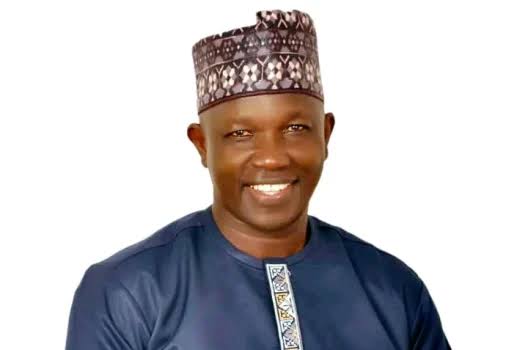
A former Chairman of Oluyole Local Government Area, Oyo State, Kehinde Olaosebikan, has said the economic gains from the removal of fuel subsidy are being channelled by President Bola Tinubu’s administration into education, healthcare and infrastructure.
Olaosebikan, a journalist and public affairs analyst, disclosed this while assessing the Tinubu administration’s reforms, arguing that resources freed from subsidy payments could give the government greater capacity to invest in sectors that directly affect Nigerians.
He said the development model of the late Chief Obafemi Awolowo remained relevant to Nigeria, particularly its emphasis on free education, healthcare, gainful employment and rural-urban integration. He added that Awolowo provided Nigeria with a development vision while the Tinubu administration was advancing aspects of the philosophy with a contemporary approach.

According to him, Tinubu, just like Awolowo, demonstrated how government could use public resources to develop human capital and stimulate economic growth, citing the National Education Loan Fund (NELFUND) as an example of the Federal Government’s effort to reduce the financial burden of tertiary education on families.
Describing the initiative as “Easy Education,” Olaosebikan said students can now access financial support for their studies without placing the entire cost of tertiary education on their parents.
He also cited efforts to strengthen primary healthcare centres, improve medicine supply chains and expand health insurance coverage, while urging state governments to complement federal interventions by using increased allocations to provide quality education and healthcare.
On infrastructure and employment, Olaosebikan cited projects in the Federal Capital Territory under Minister Nyesom Wike, as well as the Lagos-Calabar Coastal Highway and Lagos-Maiduguri Super Highway, saying such projects could improve connectivity, open up rural communities, facilitate the movement of farm produce, connect markets and create jobs.
Meanwhile, Olaosebikan acknowledged that subsidy removal had caused significant hardship for Nigerians but said the policy should ultimately be measured by how effectively the resources saved were invested in productive sectors, adding: “The pain was at the pump. The gain is in the classroom, in the clinic, on the highway, and in the village.”