Oyedele rules out return to petrol subsidy, multiple exchange rates
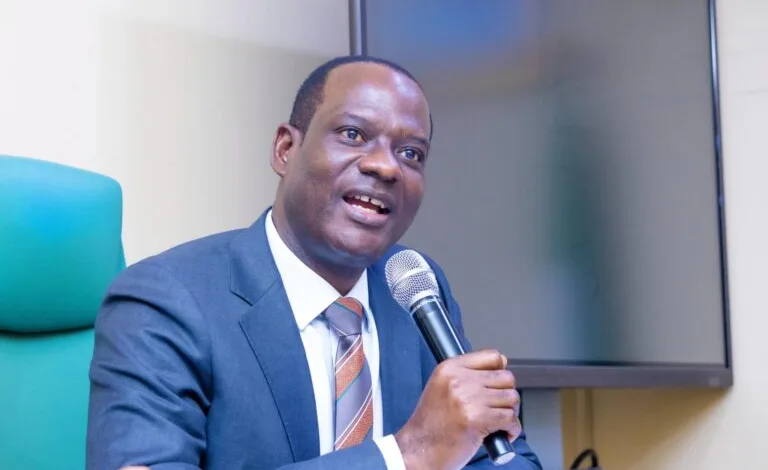
Nigeria’s Minister of Finance and Coordinating Minister of the Economy, Taiwo Oyedele, has ruled out a return to petrol subsidy and multiple exchange rates, warning that reversing the reforms could undermine economic stability and drive away investors.
Oyedele stated this on Saturday during a press briefing on the sidelines of the 2026 International Monetary Fund (IMF) and World Bank annual meetings in Bangkok, Thailand. He said the Federal Government had no plans to reverse the economic reforms introduced under President Bola Tinubu.
“Let me be clear, there will be no return to fuel subsidies or multiple exchange rates,” he said, explaining that the recent 30-day retail margin discount by the Nigerian National Petroleum Company Limited (NNPC) was a temporary commercial decision, not a subsidy funded by public money.
The minister said reversing the reforms could weaken investor confidence, adding that the government was exploring ways to ease the impact of rising energy costs without reinstating a blanket subsidy.



Oyedele also said Nigeria was targeting seven per cent economic growth, describing the IMF’s projections of 4.2 per cent for 2026 and 4.3 per cent for 2027 as too conservative. He said lower inflation, reduced financing costs and efforts to address rising food, energy and logistics costs would be critical to achieving the target.
He pointed to easing inflation and stronger external reserves as signs of progress but stressed that the gains must translate into increased economic activity and improved living standards.
The minister warned that artificial intelligence (AI) could drive economic growth without creating enough jobs for young people. Citing estimates discussed at the meetings, he said about 1.2 billion young people would enter the global labour market over the next 10 to 15 years, while only about 400 million jobs were projected to be created.
Oyedele called for increased investment in skills development and job-creating sectors, as well as policies to ensure African countries benefit fairly from AI by using their data and technological resources to develop local expertise.