IMF urges Nigeria to channel subsidy savings to poor households
The International Monetary Fund (IMF) has urged Nigeria and other African countries to direct savings from subsidy removal towards social protection programmes for poor and vulnerable citizens amid rising living costs.
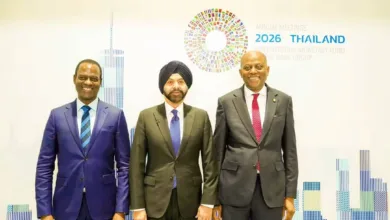
Zeine Zeidane, Director of the IMF’s African Department, gave the advice on Thursday during the presentation of the fund’s Regional Economic Outlook Update for Sub-Saharan Africa on the sidelines of the World Bank/IMF annual meetings in Bangkok, Thailand, according to a report by Premium Times.
He said subsidy reforms should be accompanied by targeted support for households struggling with the cost of living, arguing that broad energy subsidies often benefit wealthier segments of society more than those who need assistance.
“It’s important to have a targeted system of support to the most vulnerable components of society,” Zeidane said.
He added that governments should gradually phase out subsidies and ensure that the resulting savings were used to support people who genuinely needed assistance.
“Our advice in many places has been to phase these subsidies gradually, and make sure that what you save from the subsidy reform is well targeted to those who actually need it,” he said.
The IMF official argued that targeted assistance was preferable to subsidising products, particularly when such interventions placed pressure on public finances and increased import costs for countries dependent on imported petroleum products.
The recommendation comes as Nigerians continue to grapple with the cost-of-living pressures associated with the government’s economic reforms, including the removal of petrol subsidies, changes to foreign exchange management and tax reforms.