President Tinubu sets $1trn economy target by 2030
By Kunle Sanni –
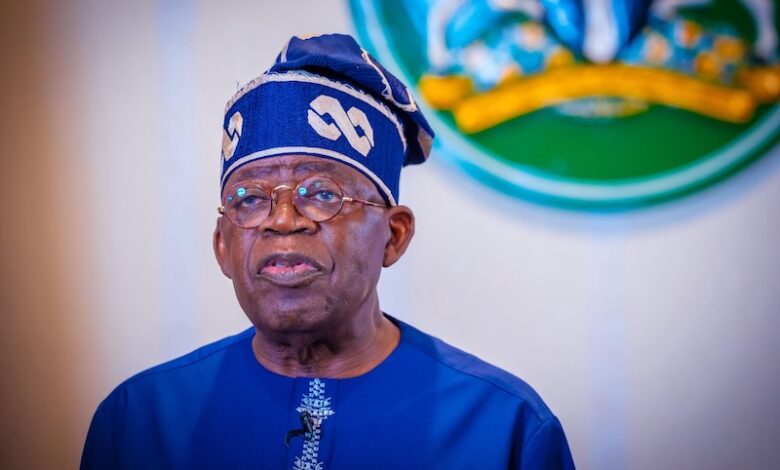
President Bola Tinubu has reaffirmed his commitment to building a $1 trillion economy by 2030, directing the Economic Management Team to overhaul Nigeria’s public savings and revenue practices to sustain investment-led growth.
Speaking at Wednesday’s Federal Executive Council (FEC) meeting in Abuja, Tinubu said achieving a minimum GDP growth rate of 7% by 2027 is both an economic necessity and a “moral imperative” to lift millions of Nigerians out of poverty.
“Our Renewed Hope Agenda remains focused on achieving a $1 trillion economy by 2030. This is not just an economic target — it is the only sustainable path to solving Nigeria’s poverty challenge,” Tinubu said.

The President noted that bold reforms by his administration have restored macroeconomic stability, boosted investor confidence, and created a more competitive business environment. These, he added, position Nigeria to attract private investment critical to job creation and inclusive growth.
Citing the July 2025 IMF Article IV report, Tinubu said Nigeria’s economic trajectory aligns with global expectations for investment-driven expansion. He also highlighted the Renewed Hope Ward Development Programme, targeting all 8,809 wards nationwide to empower grassroots entrepreneurs and foster collaboration with state and local governments.
Tinubu stressed the need to optimise every available naira to raise public investment, which currently stands at only 5% of GDP, noting that sustainable growth requires substantial capital injection into infrastructure and productive sectors.
The President’s directive covers a comprehensive review of revenue retention and deductions by key agencies, including the Federal Inland Revenue Service (FIRS), Nigeria Customs Service, Nigerian Maritime Administration and Safety Agency (NIMASA), and the Nigerian National Petroleum Company Limited (NNPC).
Finance Minister and Coordinating Minister of the Economy Wale Edun, who briefed journalists after the meeting, said the move would help redirect funds into productivity-enhancing investments and infrastructure, strengthening Nigeria’s path to inclusive economic growth.