Russia sends navy ships to guard oil tanker being pursued by US forces
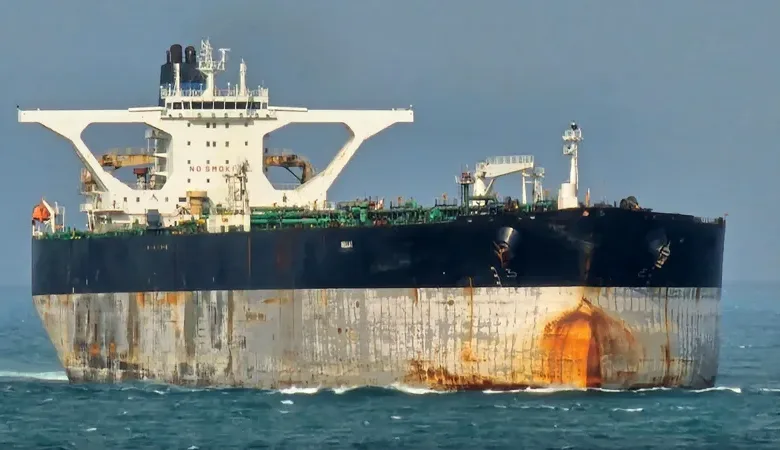
Russia has deployed navy assets to escort an oil tanker also being pursued by US forces across the Atlantic, CBS News, BBC’s media partner in the US, reported.
The ship, which currently isn’t carrying any cargo, historically transported Venezuelan crude oil and was thought to be between Scotland and Iceland on Tuesday.
President Donald Trump said last month that he was ordering a “blockade” of sanctioned oil tankers entering and leaving Venezuela, a move the Venezuelan government described as “theft”. Ahead of the US seizure of former Venezuelan leader Nicolás Maduro on Saturday, Trump repeatedly accused Venezuela’s government of using ships to bring drugs to the US.
The US Coast Guard tried to board the Bella 1 last month in the Caribbean when it was believed to be heading towards Venezuela. It had a warrant to seize the ship, which was accused of breaking US sanctions and shipping Iranian oil. The vessel then changed course, changed its name to Marinera, and reportedly reflagged from Guyanese to Russian.



Its approach to Europe has coincided with the arrival of around 10 US military transport aircraft and helicopters. Russia said it is “monitoring with concern” the situation around the ship. Two US officials told CBS News earlier on Tuesday that American forces were planning to board the ship, with Washington preferring to seize it rather than sink it.
On Tuesday, the US military’s Southern Command posted on social media that it “remains ready to support our US government agency partners in standing against sanctioned vessels and actors transiting through this region. Our sea services are vigilant, agile, and postured to track vessels of interest. When the call comes, we will be there.”
The Marinera was believed to be between Scotland and Iceland overnight Tuesday, with the distance and weather making boarding difficult. Before any US military operation was launched from the UK, Washington would be expected to inform its ally. The UK Ministry of Defence said it would not comment on other nations’ military activities.
AIS (automatic identification system) tracking data for the tanker, which can be spoofed or faked, suggested it was in the North Atlantic approximately 2,000 km (1,200 miles) west of continental Europe on Tuesday. Dimitris Ampatzidis, senior risk and compliance analyst at maritime intelligence firm Kpler, told BBC Verify that changing the ship’s name and flag might not significantly alter US enforcement action, which is driven by the vessel’s underlying identity, ownership networks, and sanctions history.
Russia’s foreign ministry said the vessel was sailing in international waters under the Russian flag and in full compliance with international maritime law. It criticised the US and NATO for giving “increased and clearly disproportionate attention” to the ship despite its peaceful status and called on Western countries to adhere to principles of freedom of navigation.
The potential stand-off over the oil tanker comes days after the US operation to capture Maduro in Caracas, which involved bombarding targets in the city during the extraction of him and his wife on suspicion of weapons and drug offences.
Credit: BBC