Sunday Are: The man who keeps finding musical gold — by Kayode Adebiyi
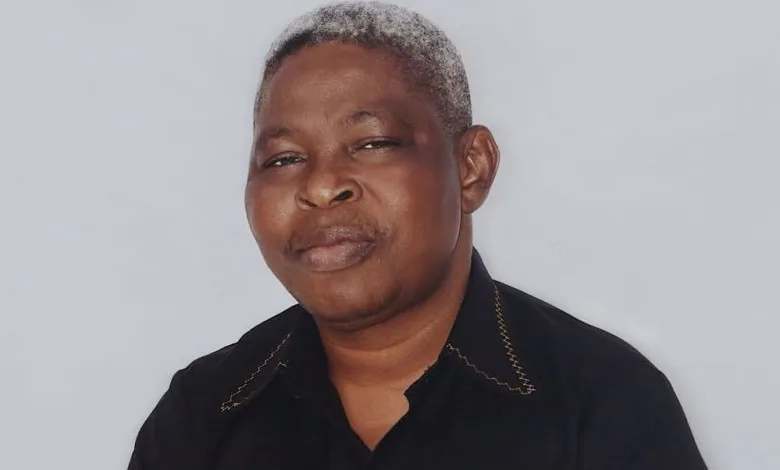
There is something almost fascinating about Sunday Are’s career in the Nigerian music industry. In fact, the more you look at his career, the more difficult it becomes to dismiss it as coincidence.
Why is it that, across different generations of Nigerian music, different genres and completely different eras of the industry, Sunday Are’s name keeps appearing behind some of the most successful artistes Nigeria has produced?
Think about it.
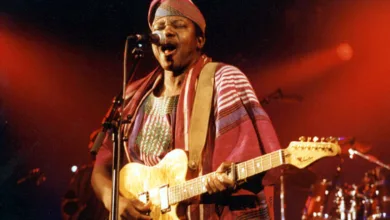
There was King Sunny Ade, one of the undisputed giants of the juju era. Then came Majek Fashek, whose music and persona made him one of Nigeria’s most celebrated reggae artistes. There was Lagbaja, an extraordinary artiste who created an entirely distinctive identity around his music. Then Asa, whose alternative sound and artistry took Nigerian music in a completely different direction.



And then came another generation.
D’banj.
Sunday Are was part of the management machinery around D’banj and the Mo’Hits era, at a time when Nigerian contemporary music was undergoing a fundamental transformation. That generation would eventually help push Afrobeats from being primarily a Nigerian phenomenon into a global cultural force.
Then came Wizkid.
And this is where the Sunday Are story becomes particularly fascinating.
Just when you might have assumed that his relevance belonged to an earlier generation of Nigerian music, here he was again, associated with one of the young artistes who would go on to become one of Africa’s biggest global music stars.
Now, what exactly does this man know about talent?
Because this is no longer just about being a good music manager. It is a pattern.
Many managers become successful because they happen to discover one exceptional artiste. Some have a golden period and then become casualties of a changing industry. Sunday Are has demonstrated something considerably more difficult: the ability to recognise exceptional talent across generations.
And that, to me, is where the real genius lies.
The music changed. The genres changed. The technology changed. The audience changed. The business model changed—from bands and live performances to CDs, digital downloads, streaming and the globalisation of Afrobeats.
Yet Sunday Are somehow remained relevant.
His career reportedly began from the very bottom of the music business, learning the industry practically, working around bands, instruments, shows and artistes before eventually becoming a manager. He wasn’t simply sitting somewhere waiting for talent to arrive. He learnt the business from the ground up.
And perhaps that explains everything.
Sunday Are doesn’t appear to merely manage artistes; he understands artistes.
He seems to possess that rare ability to recognise something in a creative person before the rest of the market catches up—and then build, organise and protect the commercial machinery necessary for that talent to flourish.
King Sunny Ade. Majek Fashek. Lagbaja. Asa. D’banj. Wizkid.
Different artistes. Different sounds. Different generations.
One man repeatedly appearing somewhere behind the scenes.
That is not merely a career in music management.
It is a masterclass in talent recognition, talent positioning and the business of turning creative genius into commercial success.
And perhaps that is Sunday Are’s greatest talent of all: he keeps finding musical gold.