US imposes visa bonds of up to $20,000 on Nigerians, other African travellers
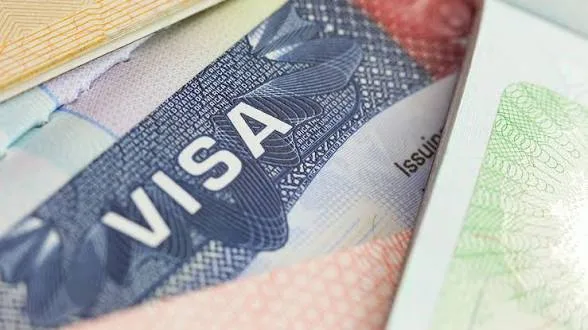
Nigerians and citizens of several other African countries applying for United States business and tourist visas will now face a refundable visa bond of up to $20,000 under a new immigration policy aimed at reducing visa overstays.
The policy, which takes effect on Monday, August 3, makes permanent a Visa Bond Programme that was introduced on a pilot basis in August 2025 after US authorities said it proved effective in improving compliance with immigration rules.
Under the new rule, consular officers may require eligible B-1 (business) and B-2 (tourist) visa applicants to deposit either $10,000, $15,000 or $20,000, depending on an assessment of factors including the purpose of travel, financial circumstances, employment status and the applicant’s ties to their home country.
The bond will be refunded, without interest, once the traveller leaves the United States within the authorised period and complies with all visa conditions. However, applicants who overstay or violate the terms of their visas will forfeit the deposit.




The US Department of State said the programme is designed to strengthen immigration compliance and is backed by Executive Order 14159, “Protecting the American People Against Invasion,” which directs federal agencies to tighten enforcement measures, including the administration of visa bonds.
According to the department, the policy targets countries with high visa overstay rates and concerns over information sharing, identity management and document security.
Officials said the pilot programme demonstrated that visa bonds significantly reduced overstays. During the first 10 months of the trial, fewer than 50 overstays were recorded among participating countries, compared with 45,488 cases in 2024.
The programme, however, also led to a sharp decline in visa applications. The State Department said visa issuance to affected countries fell by 83 per cent between August 2025 and July 2026, with nearly half of approximately 20,000 applicants opting not to pay the required bond. Total deposits collected during the pilot were estimated at $115 million.