Why we established ₦200bn intervention fund for MSMEs, manufacturers — Tinubu
By Kunle Sanni –
President Bola Tinubu has said his administration established a ₦200 billion intervention fund to support micro, small, and medium enterprises (MSMEs) and manufacturers in order to enhance competitiveness and address structural challenges facing the sector.
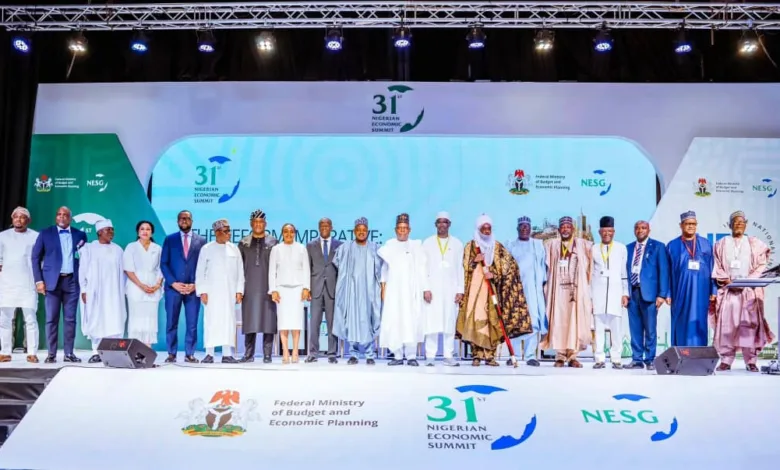
Declaring open the 31st Nigerian Economic Summit in Abuja on Monday, President Tinubu—represented by Vice President Kashim Shettima—said the fund is part of ongoing efforts to expand access to finance for young entrepreneurs and strengthen Nigeria’s productive base.
“We have created pathways for young Nigerians to access grants, loans, and equity investments of up to $100,000 to scale their enterprises, innovate, and build sustainable livelihoods,” the President said.
“Our expansion of digital micro-loan access has improved financial inclusion, empowering small businesses and stimulating community-level productivity.”

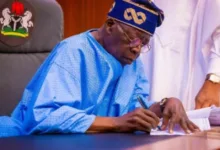

Tinubu said the intervention fund and other economic measures were designed to restore hope to the unemployed, the poor, and vulnerable Nigerians while driving inclusive growth.
The President attributed the recent stability in the economy to the sacrifices made by Nigerians in the face of painful but necessary reforms, such as the removal of fuel subsidy and exchange rate unification.
“The stability in our foreign exchange market is not accidental. It reflects deliberate choices guided by sound economic wisdom,” he said. “Along with subsidy removal, these decisions have rescued our public finances, stabilised the economy, and reassured investors at home and abroad.”
Tinubu noted that the economy has expanded significantly, with Nigeria’s GDP rising from ₦309.5 trillion in 2023 to ₦372.8 trillion in 2024. Total revenue collection also grew from ₦19.9 trillion in 2023 to ₦25.2 trillion in 2024, surpassing projections.
He added that the country’s debt service-to-revenue ratio had dropped from 97 per cent to below 50 per cent, while credit rating agencies Fitch and Moody’s had upgraded Nigeria’s outlook, citing improved fiscal management and clearer policy direction.