2027: Atiku’s noise and Tinubu’s pathway to victory — by Femi Onibonoje
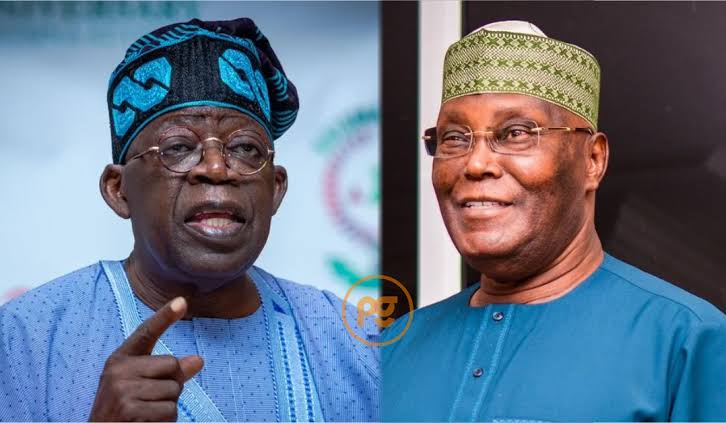
I smile whenever I read posts in which writers attribute victory in the 2027 presidential election to Atiku Abubakar simply because he is throwing everything into the political discourse: lies, abuses, impracticable policies, and bogus promises, and so on.
I have deliberately refrained from writing about President Bola Ahmed Tinubu’s chances of securing a second term for two reasons.
First, despite the judicious implementation of his policies and significant achievements on the macroeconomic front, ordinary Nigerians are still grappling with the painful consequences of these reforms at the microeconomic level. Some of these hardships have been compounded by the misplaced priorities of state and local governments. Consequently, I do not have a clear conscience arguing with ordinary Nigerians that they MUST vote for Tinubu for a second term while many are still struggling to make ends meet.
Second, Tinubu will win the 2027 presidential election, God preserving his life. His pathway to victory is clear, and it does not require endless arguments to establish.
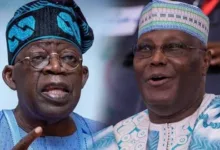


Atiku has no convincing pathway to victory in 2027. He lacks the character and political personality required to unite the various opposition blocs and mobilise popular Nigerian sentiment behind his candidacy. His campaign to bring back the fuel subsidy which I believe as a political rhetoric and economically dishonest, has generated considerable noise among some sections of the Northern Fulani constituencies who I consider to always be intolerable of presidents of other extractions. Many within these circles have been opposed to Tinubu since the very beginning of his administration. Atiku’s subsidy campaign has simply provided them with a convenient political rallying point.
However, if Peter Obi were the candidate enjoying this kind of sentimental momentum from the same people over an economic policy issue such as fuel subsidy, I would consider it a more serious cause for concern. Obi has a different political appeal and could potentially consolidate such momentum from the Southern spectrum of voters around such an issue.
Let us be clear: Tinubu is an old fox and die-hard veteran, not in the same league with Atiku when it comes to the art of building and sustaining the electoral pathway to victory. Tinubu is from a major section of the South who could not be bullied out of power based on weak, insincere and unjust sentiment from a single tribe without coalition from others.
For now, Tinubu has largely refrained from engaging Atiku directly in a sustained war of words, allowing his opponent to expend considerable political energy and deploy virtually every weapon in his arsenal.
The coming months of campaigning and political manoeuvring will be interesting. As the election approaches, Tinubu and his political machinery will begin to deploy their own campaign strategies more forcefully.
On fuel subsidy, however, my position remains unequivocal: the subsidy is gone, and Tinubu is unlikely to restore it for political convenience. Doing so would risk alienating even some of his supporters, particularly those who believe that the painful reforms must be sustained for the country to achieve long-term economic stability.
To Atiku’s supporters who believe that anything goes in the pursuit of electoral victory, I offer a word of caution: consider what might happen if Tinubu decides to adopt the same combative, no-holds-barred approach and deploy the full weight of his political and incumbency strength against Atiku.
Politics is not merely about making the loudest noise. It is about strategy, organisation, coalition-building, political capital, and the capacity to convert public sentiment into actual votes.
For the avoidance of doubt, I am supporting Asiwaju Bola Ahmed Tinubu, for a second and final four-year term. My expectation is that, by the end of that tenure, Nigerians will be in a much better position to reap the benefits of the reforms currently being implemented, and our country will be stronger economically and institutionally.
The road to 2027 will be interesting. But noise, however loud, is not a substitute for a winning strategy.
–Onibonoje is a professor of electrical engineering at Afe Babalola University, Ado Ekiti