Presidency dismisses Obi’s move to ADC, predicts secondary role in 2027
By Kunle Sanni –
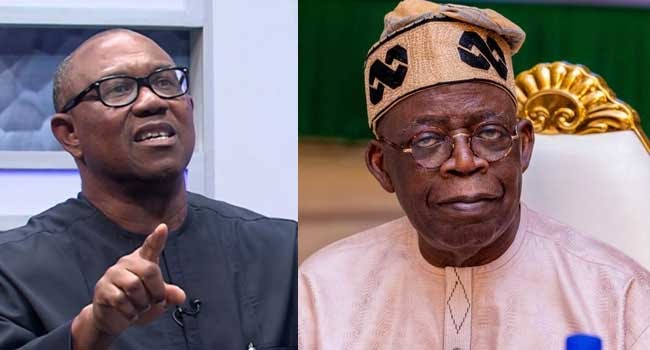
The Presidency has criticised former Labour Party presidential candidate, Peter Obi, following his defection to the African Democratic Congress (ADC), describing the move as politically short-sighted and reflective of an inability to recognise the achievements of the current administration.
Bayo Onanuga, Special Adviser on Information and Strategy to President Bola Tinubu, stated this in a post on his X (formerly Twitter) account on Wednesday. He was reacting to Obi’s earlier announcement of his resignation from the Labour Party and his decision to join the ADC.
Reacting to the development, the Presidency said Obi’s move to the ADC would relegate him to a subordinate political role, arguing that he is likely to end up playing “second fiddle” and could eventually emerge as a vice-presidential candidate in the 2027 general election, similar to what occurred in 2019.
The Presidency also revisited Obi’s performance in the 2023 presidential election, noting that nearly three years after the polls, the former Anambra State governor continues to express dissatisfaction with the outcome. It stated that Obi’s repeated claims of having been robbed of victory were not supported by available analyses of the election results.
According to the Presidency, Obi’s political history — spanning the All Progressives Grand Alliance (APGA), the Peoples Democratic Party (PDP), the Labour Party and now the ADC — raises questions about his ideological consistency and long-term political direction.
The Presidency further criticised Obi’s frequent references to foreign development models, academic texts and international experts, arguing that national development cannot be achieved through the wholesale adoption of policies from other countries. It stressed that Nigeria requires locally tailored, home-grown solutions rather than what it described as “copy-and-paste” governance.
Questioning Obi’s leadership credentials, the Presidency cited his eight-year tenure as governor of Anambra State, stating that it did not demonstrate the capacity required to govern a country as complex as Nigeria.
In contrast, the Presidency highlighted what it described as significant achievements recorded under President Bola Tinubu since May 29, 2023. These include the removal of petrol subsidies, economic restructuring, reduced dependence on oil revenue, increased investment in the gas sector, improved foreign reserves, exchange rate stability and a gradual deceleration of inflation.