BPP unveils 23 major reforms to transform Nigeria’s public procurement system
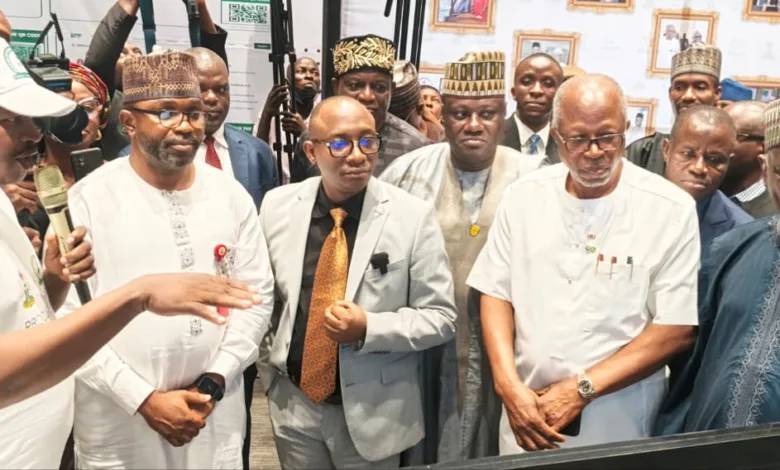
The Bureau of Public Procurement (BPP) has unveiled 23 major reforms aimed at overhauling Nigeria’s public procurement system, with a renewed focus on transparency, accountability, and efficiency.
Speaking at the inaugural Public Procurement Day in Abuja, the Director-General of the BPP, Dr. Adebowale Abraham Adedokun, said the reforms are designed to reposition procurement as a key driver of national development rather than a routine administrative process.
“The procurement evolution is not just about processes; it is about building stronger institutions that deliver value for public resources,” he said.
He noted that procurement reforms in Nigeria have evolved from the establishment of the Budget Monitoring and Price Intelligence Unit (BMPIU) in 2001 to the enactment of the Public Procurement Act in 2007, which laid the foundation for due process and transparency in government contracting.

According to him, the latest reforms include digital submission of procurement plans, strengthened enforcement mechanisms, revised procurement thresholds, and policies aimed at boosting local content and indigenous participation in government contracts.
“Public procurement should be seen as a unifying tool for national development aligned with the Renewed Hope Agenda,” he added, noting that the government’s “Nigeria First” policy is aimed at prioritising locally produced goods and services.
A key highlight of the event was the unveiling of a digital procurement ecosystem intended to automate processes, reduce human interference, and curb corruption risks in contract administration.
Dr. Adedokun also said President Bola Ahmed Tinubu has maintained a strict non-interference stance in procurement matters across Ministries, Departments and Agencies (MDAs), insisting on full compliance with due process.