EXPLAINER: Is the ECO going to replace the naira in 2027?
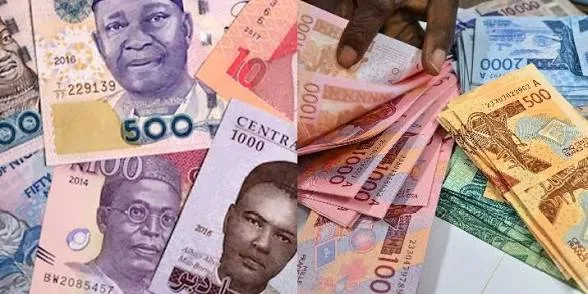
Again, the Eco-Naira debate is making rounds on the internet, with claims that Nigeria will abandon the naira for the proposed regional currency in 2027.
The renewed discussion follows ECOWAS’ reaffirmation of its plan to launch the ECO in 2027, but the announcement does not mean that the naira is automatically scheduled to disappear or that Nigerians should expect an immediate currency change.
The ECO is a proposed single currency for ECOWAS member states, designed to deepen regional economic integration, facilitate cross-border trade and reduce some of the challenges associated with multiple national currencies.
However, the project has a long history of postponed launch dates, with earlier targets including 2003, 2005, 2009/2010, 2014/2015 and 2020, before ECOWAS moved the target to 2027.




The repeated delays have largely been linked to difficulties in meeting the macroeconomic convergence requirements needed for a stable monetary union, including targets on inflation, fiscal deficits, exchange-rate stability, reserves and public debt.
For Nigeria, the latest ECOWAS convergence report shows that the country did not meet several key requirements in 2024, including the inflation target of no more than 5 per cent, with average inflation recorded at 33.2 per cent, while the fiscal deficit stood at 4.1 per cent against the 3 per cent target.
Nevertheless, ECOWAS has continued to push ahead with the project, and its Commission President, Dr. Omar Alieu Touray, has said the 2027 target remains in place while indicating that all member states may not necessarily have to meet every convergence criterion before the currency is launched.
The situation has also become more complicated following the withdrawal of Burkina Faso, Mali and Niger from ECOWAS in January 2025, while Guinea recently indicated that it would retain its national currency rather than adopt the ECO, highlighting the possibility of a phased regional rollout rather than an immediate currency change across West Africa.
Therefore, the ECO should currently be understood as a proposed regional monetary project with a 2027 target, rather than a confirmed replacement for the naira, and any eventual adoption by Nigeria would require formal decisions on conversion rates, legal tender status, banking arrangements and a transition period before the naira could be withdrawn. Moreover, the CBN’s current currency information still identifies the naira as Nigeria’s legal tender and says the CBN is the sole issuer of legal-tender currency in Nigeria.