Fuel subsidy was driving Nigeria into bankruptcy – Emir Sanusi
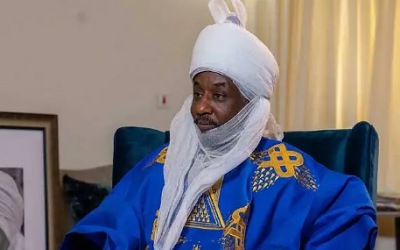
Emir of Kano and former Central Bank of Nigeria (CBN) governor, Muhammadu Sanusi II, has defended the federal government’s removal of fuel subsidies, saying the policy shift helped prevent Nigeria from plunging into financial ruin.
Speaking on Saturday at the Kano International Poetry Festival (KAPFEST), Sanusi described the subsidy era as economically dangerous and unsustainable. He criticized past administrations for maintaining a system that drained public finances, enriching foreign refineries while leaving domestic infrastructure underdeveloped.
“Subsidy was simply the government saying, ‘If the price of petrol is N100, Nigerians will pay N70 and I will pay N30,’” Sanusi explained. “But then, it went further—fixing the price regardless of global oil prices. Whether oil sold for $10 or $100, government paid the difference.”
He argued that successive governments made matters worse by neglecting the nation’s refineries. According to him, billions spent subsidizing fuel could have been better used to build or upgrade local refining capacity, which would have created jobs and strengthened Nigeria’s energy independence.


“I don’t oppose subsidies outright,” Sanusi clarified. “But there’s a difference between subsidising consumption and subsidising production. The former is unsustainable.”
Reflecting on his time as CBN governor in 2012, Sanusi said he had warned that the rising subsidy bill would lead to borrowing just to fund fuel costs — a pattern that eventually became reality.
“The country got to a point where we were borrowing not just to pay the subsidy, but also to service the debt from that borrowing. That is the definition of unsustainable,” he said.
Sanusi concluded by urging Nigerians to view the subsidy removal not just as an economic correction, but as an opportunity to rebuild a more self-reliant nation.