India’s Iran exports set to fall further due to Dubai halt, US sanctions
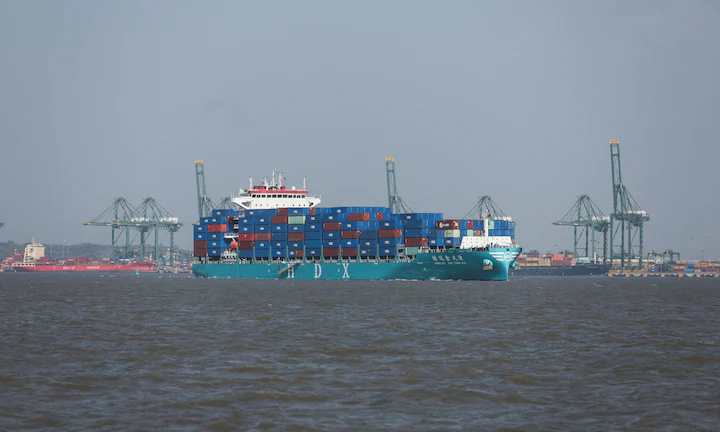
Planned new US sanctions on Iran and the United Arab Emirates’ halt on trade with Tehran could severely disrupt Indian exports of rice, tea and pharmaceuticals to Iran, which have largely been routed through Dubai’s port in recent years, Indian exporters said on Monday.
India has been among Iran’s five largest trading partners, although bilateral trade has fallen by more than 90 per cent from its 2018/19 peak of $17 billion, with exports now largely limited to goods exempted on humanitarian grounds.
Indian exporters fear US President Donald Trump’s proposed “economic D-Day” plan, expected to be unveiled later on Monday, could further squeeze trade already weakened by sanctions, banking caution and shipping constraints.
The UAE last week suspended all trade activities, exchanges and financial transactions with Iran until further notice. “We are already seeing indications that transactions and payment mechanisms traditionally routed through the UAE are exploring alternative jurisdictions,” said Dev Garg, vice president of the Indian Rice Exporters Federation, suggesting Turkey as an alternative.




Exporters could face higher freight and other costs
In the first half of 2026, India exported $383.11 million worth of rice to Iran, its second-largest overseas market for premium rice, including long-grain basmati.
“Any prolonged disruption in this corridor will have a much greater bearing on the basmati industry, especially on millers and exporters in northern India than on India’s overall non-basmati rice trade,” Garg said.
Until recently, Indian exporters typically received payments through an Indian authorised-dealer bank from a UAE trader’s account in dirhams, dollars or another permitted currency, while the trader separately collected payment from its Iranian customer through legally compliant banking channels.
Indian tea exports to Iran totalled $14.34 million in the first half of 2026. Prabhat Bezboruah, a senior tea planter and former chairman of the state-run Tea Board, said sales to Iran would be affected because a significant portion of the trade goes through the UAE.
There was no immediate comment from India’s trade and foreign ministries.
A New Delhi-based exporter said direct shipments could increase, but payment difficulties might worsen.
Ajay Srivastava of the Global Trade Research Initiative said India’s Iran trade had already fallen sharply following previous sanctions.
“We hope food and pharmaceutical products may receive exemptions, although exporters could still face higher freight, insurance and payment costs,” he said.
Iran’s exports to India in the first six months of 2026 were dominated by crude oil, valued at about $707 million, alongside much smaller shipments of liquefied petroleum gas, apples, dates, almonds and kiwi fruit.
Officials have said crude oil imports from Iran were largely enabled by a US exemption granted earlier this year and may be difficult to sustain.
Credit: Reuters