LASG defends Makoko demolitions, cites safety and environmental risks
By Adeola Ogunrinde
The Lagos State Government has defended its decision to demolish structures in Makoko and other waterfront communities, stating that the action was taken to protect lives and property.
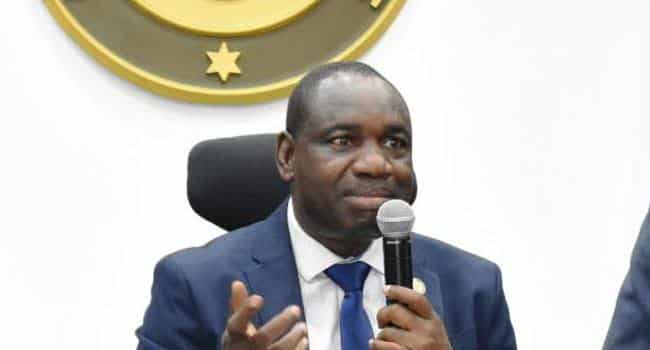
The government’s position was made known during a public engagement session where the Commissioner for Information and Strategy, Mr. Gbenga Omotoso, and the Special Adviser to the Governor on e-GIS and Urban Development, Mr. Olajide Abiodun Babatunde, addressed concerns over the exercise.
They explained that the demolitions in Makoko and other affected communities were necessary steps towards building a safer and more sustainable megacity.




Responding to criticisms that the exercise was anti-poor and unnecessary, Omotoso said the actions were driven primarily by public safety, environmental protection and security concerns, especially the risks posed by illegal structures erected beneath high-tension power lines and along critical waterways.
“There have been criticisms of government actions as anti-poor and unnecessary. That is not true. The demolitions were driven by public safety, environmental protection and security considerations. No responsible government anywhere in the world can allow people to live directly under high-tension cables or obstruct vital waterways,” Omotoso said.
“These actions are not punitive; they are preventive — to protect lives, avert disasters and secure the future of Lagos,” he added.
Omotoso further stated that the government had engaged the affected communities for over five years, noting that existing laws require buildings to be at least 250 metres away from power lines.
“They are built directly under the power lines, and no government will accept that. Imagine a power line falling into the lagoon; the disaster would be unimaginable,” he said.
According to him, residents had appealed for the setback to be reduced from 100 metres to 50 metres, a request the government could not grant due to safety concerns.
On his part, Babatunde said the demolitions were part of a broader urban regeneration plan aimed at transforming Lagos into a resilient and investment-friendly megacity.
Drawing from his expertise in e-GIS mapping and urban planning, he cited past resettlement efforts, including the relocation of residents from Oko Baba to purpose-built housing estates with modern amenities.
“Housing options have been provided by the state to ensure that affected residents are not left without alternatives,” Babatunde said, stressing that all decisions were guided by approved master plans, safety regulations and environmental standards, rather than arbitrary actions.