NEWS ANALYSIS: Saleh Mamman, Saddiya Farouk and the water in public office — by Bamidele Johnson
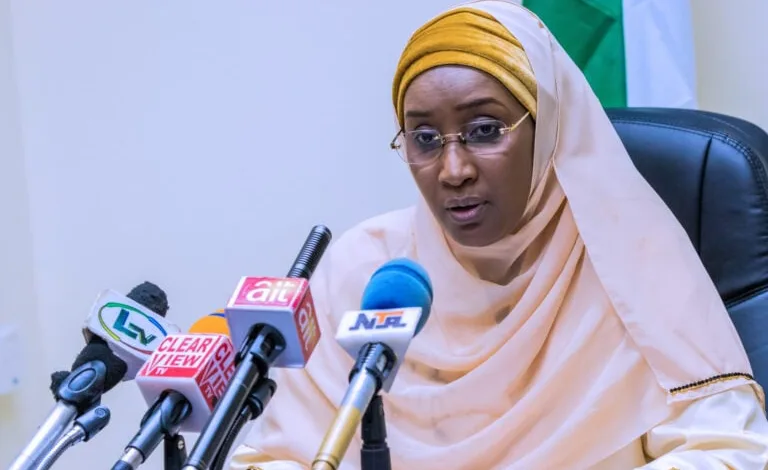
Ask Saleh Mamman, the former power minister convicted of diverting N33.8 billion meant for power projects what ails the North and he would furnish you with an encyclopaedia. Desertification, illiteracy, insecurity, dire infrastructure, colonialism, climate change and price of millet in Maradi. Anything, really, except himself. He would not make the cut.
Likewise, if invited to a discourse on why power supply does not last longer than a sneeze, he would produce screed after screed on transmission deficits, gas supply constraints and regulatory inefficiencies, while somehow overlooking the fact that he and his ilk have treated the power sector like a communal till. A man who paid nearly $700,000 in stolen money for property cannot, for the life of him, see the connection between that theft and why millions live in darkness and heat, fanning themselves like Victorian invalids during a cholera outbreak.
He cannot see it because people like him are constitutionally unable to see it. Perhaps Nigerians are socialised into this blindness. Go to any newspaper stand in the morning where the nation’s problems are discussed with the intensity of a papal conclave and where litres of saliva are swapped during arguments. The analyses are often brilliant, the outrage infernal and the patriotism thunderous.
Give one of those fellows a government appointment, even at the lowest level, and there is a depressingly high chance he will begin to gorge on public funds within one month. There must be something in the water here. Or perhaps in the pure water, which many, perhaps most, consume.


Then there is the admittedly nice-looking Saddiyya, the former Humanitarian Affairs Minister, who, though not convicted, has attracted allegations with magnetic force. I suspect enough cash disappeared on her watch through a string of clearly opaque initiatives. It is the reason she is in hiding, probably wearing 10 hijabs.
What made the whole thing especially grotesque was the ministry itself. Humanitarian Affairs. You could not have invented a crueller joke. In a country with sprawling poverty, displaced families and children eating once daily, we handed that ministry to somebody who conducted its affairs with all the clarity of a Soviet grain inventory. Explanations emerged in dense fogs. Money moved around mysteriously. Programmes appeared and vanished.
Were she to flee the country tomorrow, which I fervently hope she does not, she too would almost certainly grant interviews abroad about the tragedy of Northern Nigeria. She would enumerate the failures of leadership, the erosion of values and the plight of the poor. But nowhere in this recital would there be the faintest suggestion that she and her ilk might have contributed to the catastrophe. Not remotely. In Nigeria, the arsonists always pose as firefighters.