Nigeria targets $7.7 trillion global halal market with new national strategy
By Kunle Sanni –
The Federal Government has unveiled Nigeria’s National Halal Economy Strategy as part of a broader effort to position the country to compete in the estimated $7.7 trillion global halal market.
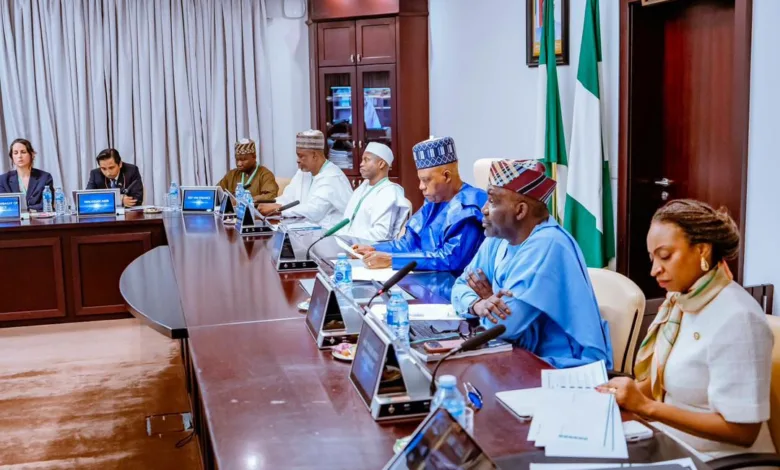
According to a statement by Stanley Nkwocha on Thursday, the strategy was launched at the Presidential Villa, Abuja, by Vice President Kashim Shettima, who represented President Bola Ahmed Tinubu. Government officials say the initiative is designed to open Nigeria to a fast-growing global market spanning food, pharmaceuticals, cosmetics, tourism, logistics, and ethical finance.
Speaking at the unveiling, Shettima said the strategy signals Nigeria’s intention to claim a share of the multi-trillion-dollar halal economy, which has become a major driver of global trade beyond religious boundaries. He noted that the market is increasingly defined by standards, quality assurance, traceability, and consumer trust, attracting both Muslim-majority and non-Muslim-majority countries.



According to the vice president, Nigeria’s participation in the halal economy could unlock more than $12 billion in economic value and add an estimated $1.5 billion to the country’s Gross Domestic Product by 2027, while creating jobs and expanding non-oil exports.
He explained that the strategy outlines clear targets, including scaling up halal-compliant food exports, developing pharmaceutical and cosmetic value chains, promoting Nigeria as a halal-friendly tourism destination, and mobilising ethical finance to support businesses operating within the sector.
Shettima pointed out that several advanced economies—including the United Kingdom, France, Germany, the United States, Canada, Australia, and New Zealand—are already major players in the global halal market, underscoring its commercial appeal and global reach.
He announced that the Minister of Industry, Trade and Investment would chair the National Halal Economy Strategy Committee to drive implementation, stressing the need for coordinated and measurable action to ensure Nigeria benefits meaningfully from the $7.7 trillion market.