NITDA seeks digital workforce to deepen public sector innovation
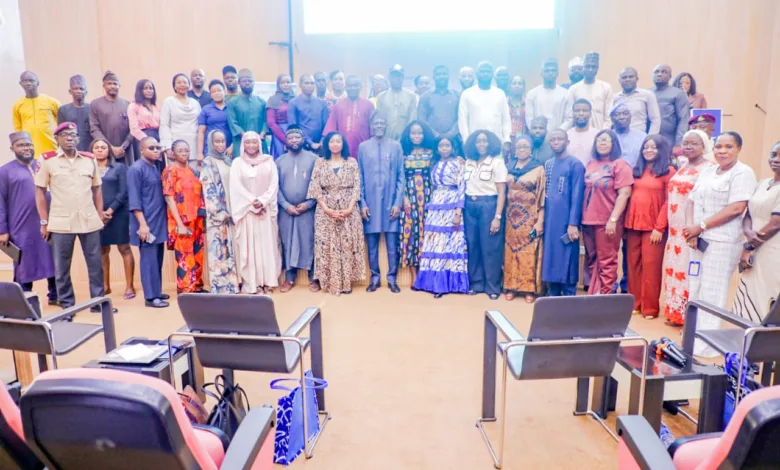
The National Information Technology Development Agency (NITDA) has reiterated the need for a digitally skilled public sector workforce, saying the success of government reforms and the adoption of Artificial Intelligence (AI) will depend largely on the digital capacity of civil servants.
Director General of the NITDA, Kashifu Inuwa Abdullahi, who was represented by the Director of Digital Development Services, Olawumi Dejo, stated this during a Digital Skills Masterclass organised by the Agency in collaboration with Meta for selected officers from Ministries, Departments and Agencies (MDAs) in Abuja.
Inuwa said Nigeria’s aspiration to build a thriving digital economy requires a public service equipped with the knowledge and competencies to embrace emerging technologies and modern governance practices.
He explained that NITDA developed the National Digital Literacy Framework (NDLF) to provide a standardised roadmap for digital skills development across the country, ensuring that Nigerians acquire competencies aligned with international best practices while addressing local needs.




According to him, the framework is built around six core competency areas: device and software operations, information and data literacy, digital content creation, communication and collaboration, digital safety, and problem-solving.
He noted that the framework would enhance the ability of public servants to effectively utilise digital technologies, safeguard government information, strengthen collaboration across MDAs and improve the delivery of public services.
In her remarks, Meta’s Public Policy for Anglophone West Africa, Victoria Oloni, reaffirmed the company’s commitment to supporting Nigeria’s digital transformation agenda through its partnership with NITDA.
Oloni observed that the increasing adoption of digital tools across government from electronic salary payments to the use of messaging platforms for official communication shows that the public service is steadily transitioning from analogue to digital operations.