Obasanjo: Leaders after Murtala Muhammed, including me, failed to groom successors
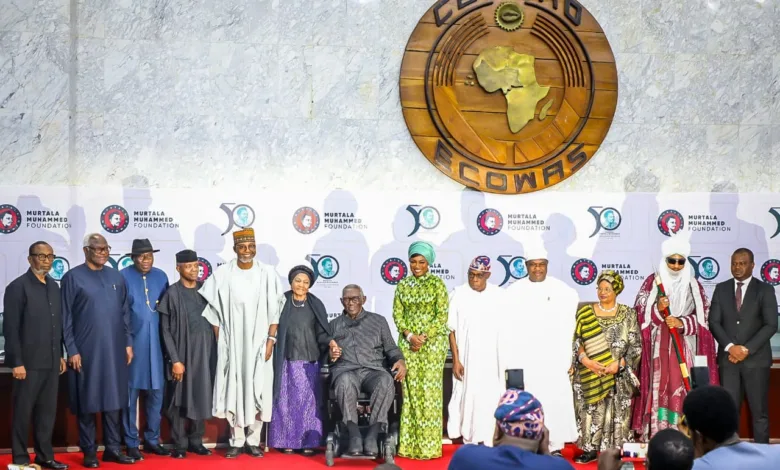
Former President Olusegun Obasanjo has admitted that leaders who governed Nigeria after Murtala Muhammed, including himself, failed to groom credible successors capable of sustaining national progress.
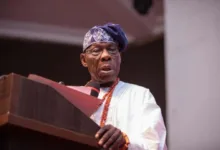
Obasanjo made the remark on Thursday at the Murtala Muhammed International Lecture and Leadership Conference held to mark the 50th anniversary of the late Head of State’s assassination. The event, themed “Has Africa Come of Age?”, drew former African leaders and dignitaries from across the continent.
Reflecting on Nigeria’s leadership trajectory, Obasanjo said the country’s inconsistent progress stems largely from the inability of leaders to build successors who can continue their vision.
“We cannot make progress if we take two steps forward, one step sideways, and three steps back, which is what we have been doing. The failure of all leaders after Murtala, including myself, is that we have not been able to create successors who could go on after us,” he said.

He described one of Murtala Muhammed’s enduring legacies as preparing capable hands to continue his ideas and development plans, noting that subsequent administrations did not replicate the example.
Obasanjo cited Nigeria’s rice production policy in 1979 as an example of policy inconsistency. He recalled that by the time his military administration handed over to civilians in July 1979, the country was on the verge of attaining self-sufficiency in rice production and had banned rice importation based on projections from the fields.
However, he said the incoming civilian administration reversed the policy shortly after taking office, lifting the ban on rice imports and issuing import licences. According to him, the decision undermined local production and marked the beginning of Nigeria’s continued dependence on rice imports.
He recounted how one licence holder allegedly inflated the cost of rice imports and sought personal gain without taking financial risks, describing the episode as emblematic of broader governance failures. “Since the lifting of the rice import ban in 1979, we have not recovered from it. That is why we are still importing rice today. These are the kinds of things that go wrong,” Obasanjo added.