Oluyede faults Fayose’s backing of Oyebanji as political miscalculation
By Boye Oyeyemi
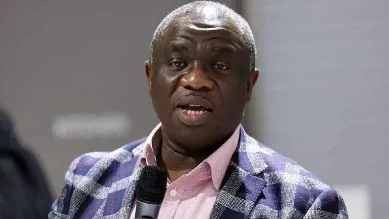
The governorship candidate of the Peoples Democratic Party (PDP) in Ekiti State, Dr. Wole Oluyede, has faulted former governor Ayodele Fayose for endorsing Governor Biodun Oyebanji ahead of the state’s governorship election, describing the move as a political miscalculation.
Oluyede made the remarks during an interactive session with journalists in Ado Ekiti, where he argued that the governor’s performance in office did not justify the support and commendation he has received from the former governor.
While acknowledging Fayose’s right to support any candidate of his choice, the PDP standard-bearer maintained that political endorsements should be based on measurable achievements and the overall impact of an administration on the lives of the people.


According to him, the current administration has fallen short of expectations in critical sectors, particularly security and infrastructure, insisting that residents deserve better governance and improved service delivery.
“I respect Fayose and his right to support whoever he wants. We have no personal issues. But if you ask me, he has made the wrong choice in supporting this government,” Oluyede said.
The PDP candidate expressed disappointment over the endorsement, arguing that the benchmark for evaluating government performance in Ekiti should be higher than what is currently being celebrated by supporters of the administration.
Oluyede also dismissed claims that Fayose’s endorsement would significantly influence the outcome of the election, insisting that Ekiti voters are politically aware and would ultimately judge candidates based on their competence, character and track records.
He further raised concerns over insecurity in the state, alleging that many residents now live in fear due to rising criminal activities. He called for greater transparency in the management of public funds, including security votes, while reaffirming his support for President Bola Tinubu, which he said was based on conviction rather than political expediency.