On Idahosa’s daughter — by Tunji Ariyomo
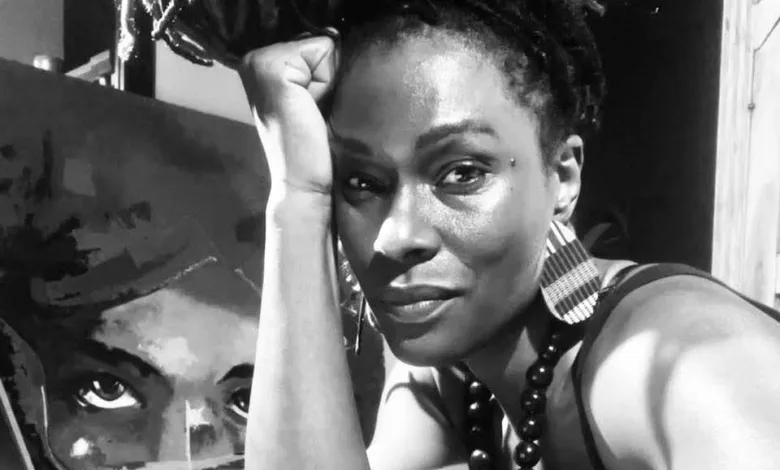
Idahosa’s daughter is screaming equality, ancestral parity, and impartial divinity.
Yet some of those listening to her seem unable to grasp the essence of her message.
Let me draw from just one aspect of my own heritage. The oríkì of my paternal lineage describes us as “omo Usi kan ṣoṣo agbaye…Usi akoko t’Eledumare” – in full, “children of the only sacred altar consecrated to the Supreme Being from time immemorial.” Meanwhile, agbaye means worldwide; global. Not so?
So I ask: how can Mecca or Jerusalem be holier lands than Isinkan?



Consider this. Until recently, and thanks to the Tinubu administration’s push for more systematic documentation, we documented nothing. Yes, the current government is the only administration since Nigeria was amalgamated in 1914 to compel the preservation of our records in a structured and methodical manner. We have generally not been a people known for preserving records. Dispute this: try obtaining a copy of The Guardian newspaper from a random date in 2005. Your eyes will see mà bó.
If our forebears did not consistently document their direct experiences with God in independently accessible format, how can anyone in 2026 speak with magisterial certainty about our ancestors’ encounters with God 5,000 years ago in Ife or 13,000 years ago in Isharun?
This is not heresy; it is humanity.
How can one believe that the Supreme Being who created all humanity deliberately chose some within that humanity as his favourites and others as no favourites? And where did you read about this? In books, right? Written and preserved by who? Have you read about the concept of the author’s bias?
It is the same principle that allows the hunter to celebrate and document his exploits against the lion while underreporting the lion’s own exploits against the men that accompanied the hunter.
If anyone genuinely believes that this post would discourage people from serving God, I would be willing to take it down. That is not its purpose.
My point is much simpler: humility should accommodate parity and uncertainty whenever we speak about matters that precede our own experience and understanding.
Let me know if I confused you.
Happy Sunday. Serve God, still. Our ancestors served God. Do not serve wood or stones – serve God. Nobody in Saudi Arabia or Jerusalem is more loved by God than you. None.