Oyo Assembly seeks reforms to Amotekun, anti-grazing laws

By Adejayan Gbenga
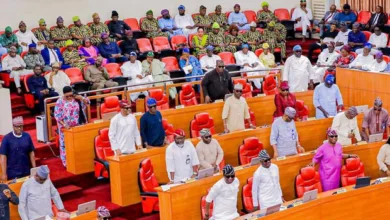
The Oyo State House of Assembly has recommended sweeping reforms to strengthen the operations of the state security network agency, Amotekun Corps, and improve the implementation of the Open Rearing and Grazing Regulation Law, 2019, following a comprehensive post-legislative review of both laws.
The recommendations were contained in a report presented by an ad hoc committee established in April 2025 to evaluate the effectiveness, challenges and impact of the legislations aimed at addressing insecurity and farmer-herder conflicts across the state.
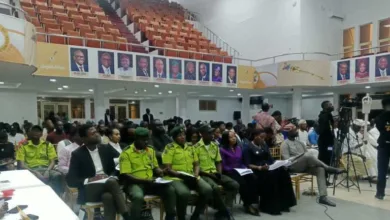
Presenting the report, the Chairman of the Committee and Leader of the House, Sanjo Onaolapo, said the review process involved extensive stakeholder consultations, a three-day public hearing and collaboration with the Westminster Foundation for Democracy.




According to the committee, the anti-grazing law has recorded notable achievements since its enactment, including a reduction in violent clashes between farmers and herders, improved protection of farmlands and increased adoption of modern livestock management practices.
However, the report identified several challenges affecting implementation, including weak enforcement in rural communities, the concentration of enforcement structures in Ibadan, the failure to establish local advisory committees provided for under the law and inadequate coordination among security agencies.
The committee also cited funding shortages, manpower deficits, logistics constraints and the absence of reliable data on livestock and grazing routes as major obstacles to effective enforcement. It further noted that disputes between farmers and herders still occur in some communities due to crop destruction, encroachment on farmlands and weak grassroots conflict-resolution mechanisms.
On the Amotekun law, lawmakers called for reforms aimed at improving accountability, professionalism and operational efficiency. The Assembly urged the executive arm to fully establish the Independent Amotekun Complaints Committee, strengthen recruitment processes, provide continuous training on human rights and community policing, and enhance collaboration with other security agencies.
The House also recommended improved welfare packages, better logistics and operational tools for personnel, as well as a minimum death benefit of N2.5 million for families of officers who die in service. It further proposed amendments to clarify recruitment standards, strengthen oversight, reduce political interference and provide sustainable funding through a dedicated allocation from the state Security Trust Fund, stressing that stronger reforms and inter-agency cooperation are necessary to improve security management across Oyo State.