REPORT: Mixed reactions trail Nigerians’ views on 2027 general elections
By Eboselume Olutola and Boye Oyeyemi –
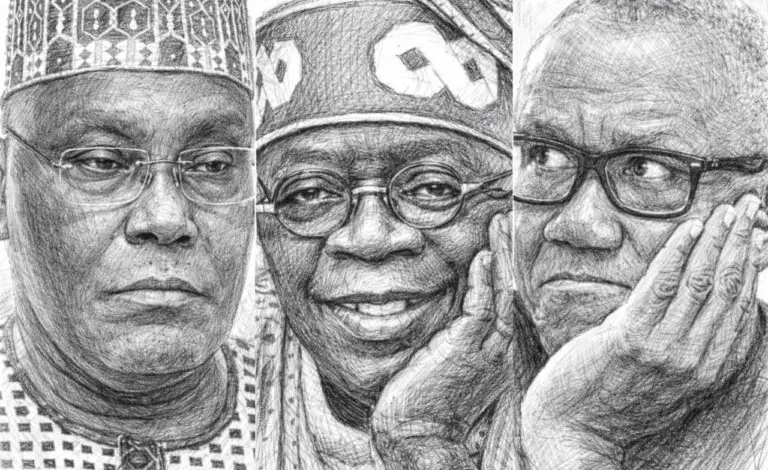
Nigerians from different walks of life have expressed mixed opinions about the forthcoming 2027 general elections, especially the presidential and National Assembly polls.
Although the elections are still months away, political activities across parties have intensified, with most major parties either concluding their primaries or nearing the end of their internal selection processes. Observers say the political atmosphere already gives a clear sense of the likely contenders.
Western Post gathered views from citizens across different parts of the country on expectations ahead of the 2027 polls and their readiness to participate in the democratic process.


The 2023 general elections recorded 93,469,008 registered voters, with 24,522,997 accredited voters and 24,061,477 valid votes cast. This represented a decline from 2019, when 29,364,209 Nigerians voted, with 27,324,583 valid votes recorded, marking an 8.03 per cent drop.
However, recent voter registration figures suggest possible renewed interest, as the Independent National Electoral Commission (INEC) announced over 3.4 million new voters during the ongoing Continuous Voter Registration exercise, with youths accounting for a significant share compared to 2023, when their participation stood at 29 per cent of votes cast.
While some citizens expressed enthusiasm about the upcoming elections, others said they remain indifferent, citing frustration with the political system. Many believe the polls present an opportunity to reward good leadership, while others argue that little is likely to change.
Adebayo Tajudeen, a Lagos resident and father of four, said he is now more determined to participate in the electoral process. According to him, past apathy had affected his engagement, but he believes the situation in the country demands urgent change.
“I will make sure I vote in this election. I didn’t participate previously, and I really blame myself for it. I want to be able to criticise my leaders with full conviction. Look at the state of the country. We need a complete overhaul. Each time I try to speak about the ills in society, I often feel this sting because I know I didn’t perform my civic duty in 2023,” he said.
On the other hand, Paul Joseph from Adamawa State expressed pessimism about the electoral process, citing concerns over credibility and growing distrust in the system. He said, “There are quite a number of challenges affecting the credibility of the electoral process,” stressing that he and several like-minded Nigerians have grown frustrated with the system.
When asked about the role of the opposition ahead of the elections, opinions were also divided.
A University of Benin student, Mike Osas, said the opposition appears fragmented and lacks a clear direction, arguing that it remains weaker compared to previous political cycles since 1999.
“They seem divided and devoid of a clear, feasible goal. The current crop of opposition leaders appears to be among the weakest since 1999 because they have failed to act in a coordinated manner, especially while facing a formidable ruling party,” said Osas.
In contrast, Justice Chisom, a businessman based in Anambra State, said he is certain that the opposition will give the ruling party a tough contest. While raising concerns about insecurity, economic hardship and public dissatisfaction with governance, he said the opposition stands a stronger chance of winning the presidential election and securing more seats at the National Assembly because many citizens appear dissatisfied with the current state of the economy and security situation in the country.
As the 2027 elections draw closer, Nigeria’s political landscape continues to evolve, with public sentiment already shaping expectations for the polls.