Stakeholders advocate stronger AfCFTA implementation at Abuja Summit

Stakeholders at the High-Level Plenary of the African Continental Free Trade Area (AfCFTA) Public Sector, Private Sector, and Press (P3) Summit on Monday in Abuja called for stronger implementation of the continental trade agreement, emphasising inclusive participation and community-driven strategies.
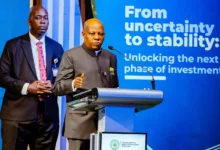
The Minister of Budget and Economic Planning, Senator Abubakar Bagudu, urged a community-focused approach to fully harness AfCFTA, stressing that every Nigerian community holds tradeable value capable of driving national and continental prosperity.
Speaking at the summit, Bagudu praised the Minister of Industry, Trade and Investment, Dr Jumoke Oduwole, for her dedication to promoting ease of doing business and placing knowledge sharing at the centre of trade discussions. “What may seem mundane—knowledge sharing—is central to Nigeria’s competitiveness under AfCFTA,” he said.
Bagudu noted that AfCFTA’s success requires more than elite or corporate involvement; local governments and wards must identify tradeable goods in their communities and connect them with investors. Using Kebbi State as an example, he highlighted how young entrepreneurs have revitalised groundnut oil production for export to Tunisia, the Benin Republic, and Ghana, while hundreds of trucks of onions leave the state daily for African markets. “This is not just a Kebbi story; it is a Nigerian story,” he added.



Reflecting on Nigeria’s historic trade links across Africa, Bagudu cited the country’s strategic borders with Niger, Chad, Mali, and the Central African Republic as key opportunities for trade and investment. He emphasised that revitalising these exchanges can foster economic growth, peace, and regional stability.
The minister also praised President Bola Ahmed Tinubu’s Africanist leadership in supporting trade-driven growth and celebrated the industrious spirit of Nigerians—from fishermen and farmers to traders—stating that, with proper support and integration into regional value chains, communities across Nigeria can collectively drive national prosperity.
Building on this, Oduwole highlighted Nigeria’s readiness to implement AfCFTA, noting the Federal Executive Council’s approval of the AfCFTA Protocol on Digital Trade, which makes Nigeria the first African country to ratify the protocol. She said this development opens doors for digital services firms and demonstrates Nigeria’s commitment to modern and inclusive trade.
Oduwole further called for collaboration across government agencies, development partners, the private sector, and the media to communicate opportunities to Nigerians. She stressed the need to diversify export assets, increase value-added intra-African trade, and ensure that communities, businesses, and workers benefit directly from AfCFTA.