Why Brazil always speaks first at UN General Assembly — by Victor Oladokun
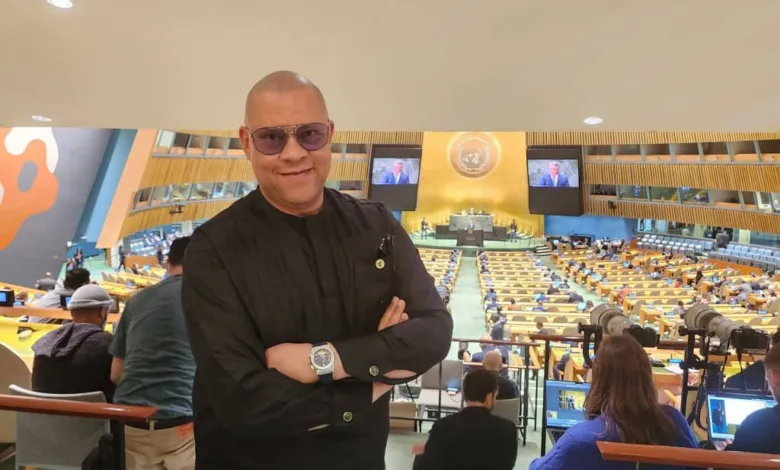
Though not a written rule in the UN Charter, it has been a long-standing diplomatic custom that Brazil speaks first, after the UN Secretary-General and the President of the General Assembly open the high-level general debate
Among member countries, Brazil speaks and the United States, as host country, speaks second. This has been the practice practice since 1955, with only three exceptions.
What are the origins of the practice?
🌐 In the UN’s early years many delegations were reluctant to speak first fearing it would seem they were dominating the new organization. Brazil volunteered several times in the late 1940s and early 1950s. In 1955 its representative simply requested the first slot, which was granted and has become an established custom eversince.
🌐 Another explanation is that it is in recognition of Brazilian diplomat Oswaldo Aranha, who presided over key 1947 sessions (including the Partition of British Mandated Palestine), while some Brazilian analysts insist it was an informal consolation for Brazil not receiving a permanent Security Council seat at the UN’s founding.
And then there is Brazil’s relative neutrality at the start of the Cold War. This made it a convenient choice so that neither the United States nor the Soviet Union would open the debate.
After Brazil and the United States, the UN General Assembly speaking order is set by a mix of protocol factors, including the level of representation (Heads of State first), requests submitted by missions, and geographic balance.