Why Nigeria borrows despite revenue gains – FIRS Chairman
By Kunle Sanni –
The Executive Chairman of the Federal Inland Revenue Service (FIRS), Zacch Adedeji, on Tuesday explained why the federal government continues to borrow despite recording significant revenue inflows.
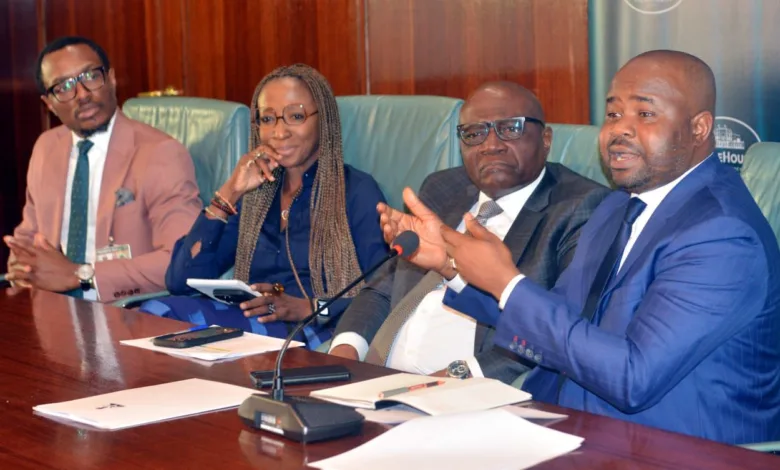
Speaking to State House correspondents during the Brief the Press session at the Presidential Villa in Abuja, Adedeji said borrowing is not a sign of weakness but part of the country’s broader economic strategy.
In July, President Tinubu requested a $21.5 billion external loan, which included a $2 billion foreign currency bond and a ₦757.98 billion bond to settle pension liabilities under the Contributory Pension Scheme. By September, Nigeria had generated ₦20.6 trillion in revenue, driven largely by non-oil collections.



While the government highlights these gains as vital for infrastructure development, critics continue to question the growing debt burden, citing concerns over fiscal policy, transparency, and its impact on citizens’ daily lives.
Addressing these concerns, Adedeji clarified that borrowing, in itself, is not inherently problematic. He emphasized that banks are a key part of the economic ecosystem and that government borrowing plays a role in sustaining their operations. According to him, interest payments on government loans help fund bank salaries, which in turn generate tax revenue for state governments.
He explained that the profit margin between deposit and lending rates is what allows banks to remain profitable and contribute meaningfully to national revenue.
Adedeji argued that borrowing should be strategic and sustainable, particularly when used for long-term infrastructure projects. “Imagine if the current structure had not been built — how much would it cost today?” he asked, illustrating how borrowing can help avoid future inflation-driven costs.
The chairman criticized what he described as superficial economic commentary that ignores the strategic intent behind borrowing. Stating that all government loans are subject to National Assembly approval and are aligned with the country’s budgetary framework, he urged citizens to engage with fiscal policy details, rather than relying on assumptions.