Writing residencies are invaluable, they offer writers the gift of time- Adeyemi
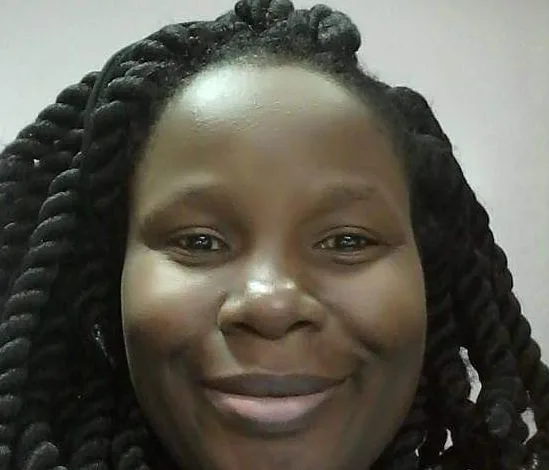
Solape Adetutu Adeyemi is a writer and Vice Chairman, Association of Nigerian Authors (ANA) Lagos Chapter. She spoke with Adeola Ogunrinde on the challenges of writing and publishing in Nigeria
When did you start writing and what made you become a writer?
I began writing quite early in life, at the age of 6 spurred by the novels I was reading back then. I do believe my mother was a great influence because we were always surrounded by books as my mother was an avid reader. There were James Hardly Chase novels, Mills and Boon series, Pacesetters series etc in cartons in the house. I just fell into those boxes of book goodies and I never looked back. Reading also makes for good escapism once in a while.
I was drawn to stories—both the ones around me and the ones that lived quietly within me. Over time, writing became a way to make sense of the world, to preserve experience, and to give voice to thoughts that might otherwise remain unspoken. What ultimately made me become a writer was the realization that stories have the power to heal, to enlighten, and to connect people across backgrounds, and I wanted to be a part of that transformative process. Also in the course of my life’s journey I have suffered heart aches and writing about them in poetry has helped to heal.


You have been published both in Nigeria and abroad; what is the accolade like, and what has your publishing experience been?
Being published in Nigeria and internationally has been both humbling and affirming. Each publication, whether local or foreign, reminds me of the universality of storytelling and the reach our voices can have. The accolades are encouraging—not only because they validate my work, but because they affirm the relevance of the themes I explore.
The publishing experience itself has been a journey of learning. International publishing tends to be more structured and predictable, while publishing in Nigeria often demands patience, persistence, and resourcefulness. Both experiences have shaped me into a more resilient and intentional writer.
I have published works in over 30 International journals, magazines and anthologies such as the Indiana review, Cajun Mutt, Punk Monk and The London Grip New Poetry magazine to mention a few. I also have an article on Environmental management published by the Guardian newspaper.
What are the challenges of publishing in Nigeria?
Publishing in Nigeria comes with several challenges. Funding is a major barrier, as high production costs make it difficult for publishers and authors alike.
However, despite these challenges, Nigerian writers continue to thrive, proving that creativity can flourish even in difficult environments.
You are the Vice chairman of the Association of Nigerian Authors Lagos. How has this benefited you as a writer?
ANA has been a vital part of my growth as a writer. The association provides a sense of community—a place where writers can learn from one another, exchange ideas, and receive encouragement. Through ANA, I’ve had access to literary events, mentorship opportunities, and a network of creative minds who constantly inspire me.
Most importantly, ANA reinforces the idea that no writer stands alone; we are supported by a community that believes in the power of literature.
What do you think about writing residencies, and do you think they help writers?
Writing residencies are invaluable. They offer writers the gift of time, space, and solitude—three things that are often difficult to find in our busy daily lives. Beyond just providing a conducive environment for creativity, residencies expose writers to new cultures, new perspectives, and new networks.
Yes, I strongly believe residencies help writers. They refresh the mind, unlock new creative pathways, and often lead to breakthroughs that might not have happened in everyday routines.
Have you ever been on writer’s block, where you can’t write anything?
Yes, like many writers, I have experienced writer’s block. It can be frustrating, but I’ve learned to see it as part of the creative cycle rather than a failure. Sometimes the mind simply needs rest—or silence—to process experiences. During those moments, I remind myself to be gentle, to read more, to observe the world differently, and to trust that the words will return when they are ready.
Writers are said to mirror society; do you believe that?
Absolutely. Writers are observers, chroniclers, interpreters, and sometimes even visionaries. Through stories, essays, poetry, or drama, we hold up a mirror to society—reflecting its beauty, its struggles, its contradictions, its challenges and its hopes.
While a writer does not speak for everyone, literature often captures the spirit of a particular time or community, helping future generations understand where we’ve come from.
What next project are you working on, and do you have any advice for young writers?
I am currently working on a project that continues to explore the themes close to my heart—identity, memory, and the complexity of human relationships. It is still evolving, and like all meaningful work, it is teaching me patience and discipline.
My advice for young writers is simple; read widely and curiously. Books are your best teachers. Write consistently, even when the writing feels imperfect. Progress is more important than perfection. Seek community. Writing can be lonely, but you don’t have to walk the path alone. Believe in your voice. No one can tell your story the way you can. Be patient with your journey. Every writer grows at their own pace.