2027: Tinubu’s reforms deepened Nigerians’ hardship – SDP’s Adebayo
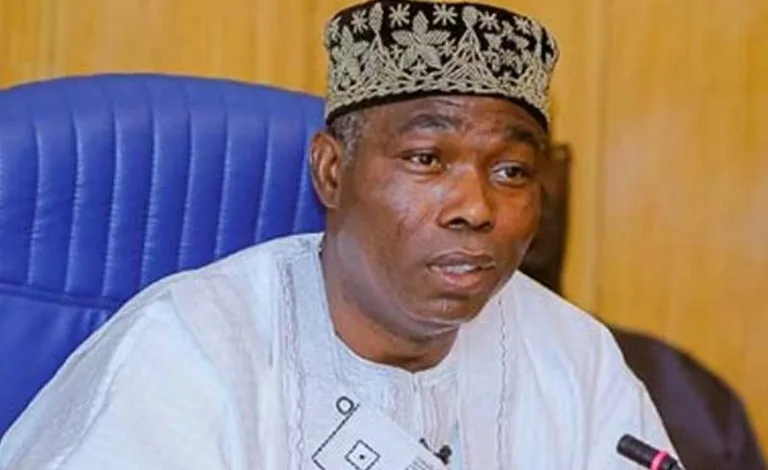
The presidential candidate of the Social Democratic Party (SDP) for the 2027 general election, Prince Adewole Adebayo, has criticised President Bola Tinubu’s economic management, describing the administration’s performance over the past three years as a failure.
He argued that official economic growth figures do not reflect the hardship faced by millions of Nigerians.
Speaking during a recent media interview, the SDP flag bearer said the current administration inherited economic challenges but had worsened the situation through what he described as “economic illiteracy.”

“The economy is worse than when this administration came in. Poverty wasn’t this severe. Fuel wasn’t over ₦1,300 per litre. More companies were operating. Nigerians are paying more for food, transport, rent, school fees and building materials than they did in May 2023,” Adebayo said.
He dismissed the government’s emphasis on Gross Domestic Product (GDP) growth and other macroeconomic indicators, arguing that such statistics are meaningless if they do not translate into improved living conditions for citizens.
Adebayo said economic performance should be assessed against factors such as population growth, inflation, production costs and the government’s fiscal position, maintaining that rising prices, unemployment and the declining purchasing power of Nigerians are clear indicators that current policies have fallen short.
“No government can ask people to spend the rest of their lives being patient while their lives are being ruined. You have four years. Perform within those four years. If you don’t perform, leave office and let someone else take over,” he said.
Outlining his economic agenda, Adebayo said that if elected president in 2027, he would prioritise increasing government revenue, reducing public expenditure, curbing inflation and unemployment, and preventing further increases in the cost of living.
He added that restoring confidence in the economy would require policies that protect the purchasing power of Nigerians and improve citizens’ overall standard of living.