Fasoranti’s ancestry traced to Akure, not Uso — Ondo chief
By Boye Oyeyemi
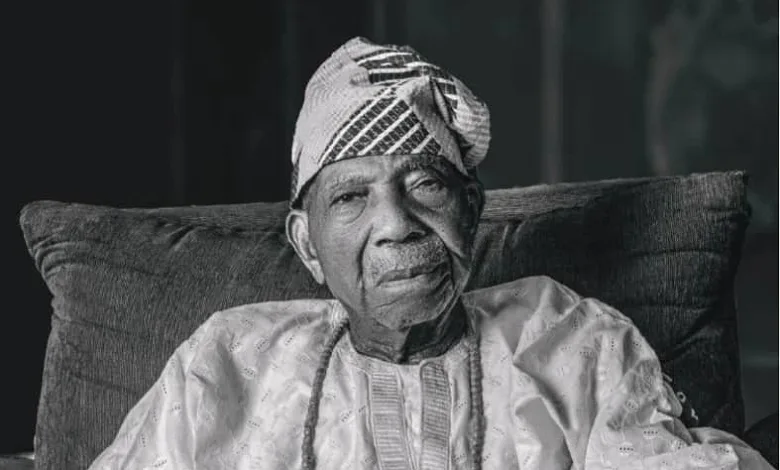
A traditional ruler in Ondo State, High Chief Oladimeji Reuben Abitogun, has insisted that the late Afenifere leader, Pa Reuben Fasoranti, traced his ancestral roots to Akure, rather than Uso in Owo Local Government Area, where he was born.
Abitogun, the Odopetu of Ayede-Ogbese in Akure North Local Government Area, said although Fasoranti was born in Uso in March 1926, his family lineage could be traced to the Odopetu Adugbolu dynasty, which he described as one of Akure’s founding royal families.
Speaking in an interview, the traditional chief argued that Fasoranti’s birthplace should not be confused with his ancestral identity, insisting that family history and migration accounts established his connection to Akure.




“Chief Fasoranti is an original Akure native. Yes, he was born in Uso in March 1926, but his ancestry traces directly to Akure,” he said.
Abitogun explained that Fasoranti’s great-great-grandfather, Odopetu Adugbolu, was an influential figure in Akure’s early history. He added that members of the family later accommodated newcomers and accepted a lower position in the traditional hierarchy to promote the growth of the community.
Tracing the family lineage, the chief said it passed through Famuude, who reportedly suffered devastating losses during slave raids before returning to Uso to rebuild his life. He said the family later expanded, producing Jacob Fasoranti, the father of the late elder statesman, as well as descendants associated with the Fagboyun and Fagbayibo families.
According to Abitogun, Jacob Fasoranti relocated with his family from Uso to Akure in 1931, when the late Afenifere leader was about five years old. The family initially settled in Ayedogba before establishing extensive farming activities in Ayede-Ogbese, including a plantation known as Egbure-Jacob.
Abitogun, a journalist who joined The Hope newspaper in 1995 and later worked with The Comet, now The Nation, urged those debating Fasoranti’s ancestral origin to consider his family history and lineage rather than rely solely on his place of birth.