CellHub rates Tinubu’s economic reforms 8.3/10 despite poverty concerns
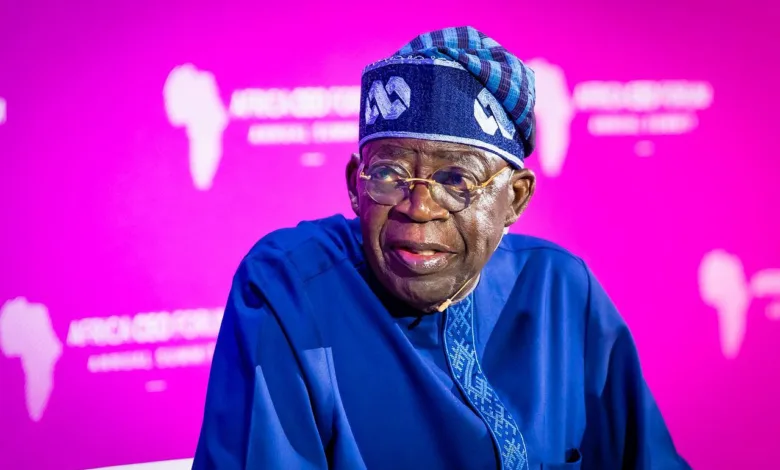
An intelligence and economic research firm, CellHub, has rated President Bola Tinubu’s economic reform programme 8.3 out of 10, describing it as “Strong and On Track,” while noting that many Nigerians have yet to feel the benefits of the reforms.
In its latest assessment, the firm said the administration’s economic policies had strengthened key macroeconomic indicators, including foreign reserves, exchange rate stability and investor confidence, even as poverty and food insecurity remain significant challenges.
The report said the removal of the fuel subsidy and liberalisation of the foreign exchange market in 2023 helped improve public finances and attract investment, although the policies also triggered higher inflation and increased pressure on household incomes.
According to CellHub, Nigeria’s foreign reserves rose to $51.45 billion at the end of June 2026 from $37.21 billion a year earlier, while the naira stabilised around ₦1,375 to ₦1,380 per dollar. It also cited credit rating upgrades by Fitch, Moody’s and S&P Global, alongside 3.87 per cent economic growth in 2025, as signs of improving economic fundamentals.




“The evidence points one way on the macro picture: the reforms have worked. Nigeria has restored stability, rebuilt its buffers and won back the markets. The task now is to convert that into growth households can feel,” CellHub Chief Economist, Martin Itua, said.
However, the report noted that the World Bank estimated poverty rose to 63 per cent in 2025 from 56 per cent in 2023, while the International Monetary Fund said about 27 million Nigerians faced food insecurity, highlighting the gap between economic recovery and living conditions.
CellHub also observed that although inflation eased after peaking at 34.8 per cent in December 2024, it has risen again in recent months, reaching 15.93 per cent in May 2026.
The firm said the next phase of the reforms should focus on lowering inflation, expanding growth beyond the oil sector and strengthening social support programmes to ensure the economic recovery translates into tangible improvements in the lives of ordinary Nigerians.