Communities must step up to end malaria — Gov. Sanwo-Olu
By Adeola Ogunrinde –
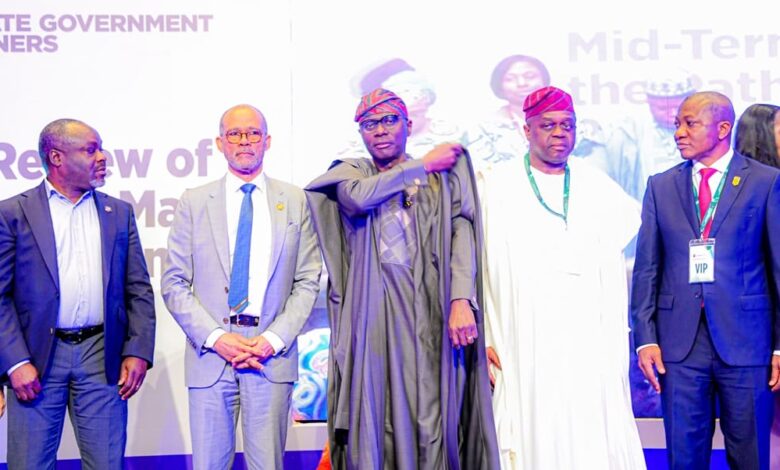
The Federal Government and the Lagos State Government have declared zero tolerance for malaria. The declaration was made during the mid-term review of the Impact Project and the roadmap toward malaria elimination in Lagos State, held on Thursday.
Minister of Health, Professor Muhammad Ali Pate, commended the Lagos State Government for its leadership and dedication in the fight against malaria. He said the initiative demonstrated that with determination and innovation, even the toughest health challenges can be overcome.
Pate also expressed appreciation to national and international partners for their collaboration and reaffirmed the Federal Ministry of Health’s commitment to supporting Lagos through the National Malaria Elimination Programme (NMEP).




He highlighted some achievements from the collaboration, including the onboarding of Patent and Proprietary Medicine Vendors (PPMVs) and community pharmacies into a structured, regulated, and digitized malaria service delivery system. According to him, the integration of digital technology has significantly improved data collection, analysis, and reporting for better malaria interventions.

In his keynote address, Lagos State Governor, Mr. Babajide Sanwo-Olu, reaffirmed the state’s commitment to moving from a high malaria burden to a pre-elimination stage, paving the way for a malaria-free Lagos. He said the state is leveraging evidence, technology, and collaboration to drive progress.
Sanwo-Olu emphasized the importance of reviewing field data to ensure effective use of Rapid Diagnostic Tests (RDTs) and proper reporting from private pharmacies and PPMVs. He noted that malaria elimination cannot rely on clinical interventions alone.
“We cannot tackle malaria just by focusing on clinics. Households and communities must step up by eliminating breeding sites, getting tested promptly, and trusting the health system,” he said.
The governor added that Lagos’ strategy emphasizes strong communication, a robust network of community health workers, and partnerships with traditional leaders, market groups, and schools.