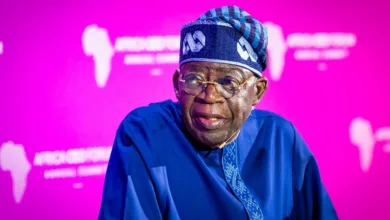
Economic reforms must translate to real welfare gains, Saraki tells FG
By Kunle Sanni –
Former Senate President Bukola Saraki has urged the Federal Government to ensure that ongoing economic reforms translate into tangible improvements in the daily lives of Nigerians, warning that policy adjustments without visible gains in welfare cannot be sustained.
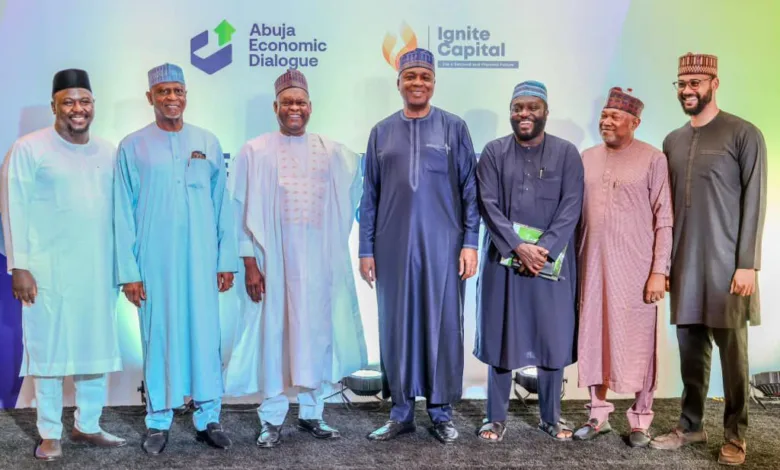
Speaking on Tuesday at the launch of the Ignite Nigeria Economic Outlook 2026 in Abuja, themed “From Adjustment to Advantage,” Saraki delivered a goodwill message that underscored the urgency of moving from policy correction to broad-based prosperity.
He noted that while the removal of fuel subsidy, foreign exchange reforms and fiscal tightening were necessary steps, they will only be meaningful if they lead to more affordable food, reliable power and transportation, functional public services and productive employment for young people.



“The real test before us is whether Nigeria can translate the difficult choices we have already made into inclusive growth,” he said. “Until Nigerians begin to see lower prices, dependable energy, better schools and hospitals, and dignified work, we are merely adjusting, not advancing.”
Saraki stressed that the success of reforms should be judged not by policy design but by outcomes—jobs created, prices stabilised, incomes protected and opportunities expanded. He warned that economic growth without job creation amounts to “arithmetic, not prosperity,” and cautioned that failing to expand labour-intensive sectors such as agriculture, manufacturing, energy and the creative industries would deepen inequality and social tension.
He also called for deliberate capital mobilisation, including unlocking more domestic pension assets to fund critical infrastructure, arguing that financing constraints continue to slow Nigeria’s development ambitions.
Beyond economic policy, Saraki highlighted governance and institutional strength as central to investor confidence. “Markets do not respond to rhetoric; they respond to certainty, fairness and predictability,” he said. “Credibility is built when budgets are realistic, policies are consistent, data is transparent and institutions are stronger than administrations.”