FG moves to address delayed fuel price cuts amid falling crude oil prices
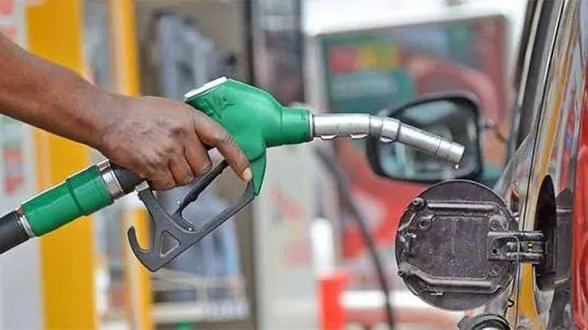
The Federal Government on Monday said it is engaging petroleum marketers and regulators to ensure Nigerians benefit more quickly from declines in global crude oil prices, amid concerns that pump prices are not falling in line with international market trends.
The move comes a day after the Federal Competition and Consumer Protection Commission (FCCPC) warned marketers against exploiting consumers by failing to reflect the sharp drop in global crude oil prices in retail petrol prices.
The commission in a statement on Sunday said its market surveillance showed only marginal reductions in gantry and pump prices despite Brent crude falling to about $72-$73 per barrel from highs of over $100 per barrel during the recent Middle East tensions, warning that firms found engaging in unfair pricing could face sanctions.
Speaking to State House Correspondents after the Federal Executive Council (FEC) meeting, the Minister of Finance and Coordinating Minister of the Economy, Taiwo Oyedele, said marketers are typically quick to increase pump prices when crude oil prices rise but slower to reduce prices when international prices decline.


“Marketers tend to raise pump prices quickly when crude prices climb because of replacement costs, but reduce prices more slowly when crude falls due to existing inventory. We are working to strike a balance between ensuring operators remain commercially viable and protecting Nigerians from unfair pricing,” he said.
Oyedele said the FCCPC and the Nigerian Midstream and Downstream Petroleum Regulatory Authority (NMDPRA) are already addressing the issue under the Petroleum Industry Act to ensure the deregulated downstream petroleum market operates fairly.
The minister also highlighted measures introduced by the Tinubu administration to reduce transportation costs, including the suspension of Value Added Tax (VAT), excise duty and the surcharge on petroleum products. According to him, those taxes remain in force in neighbouring countries, making fuel prices there between 20 and 50 per cent higher than in Nigeria.
He further urged transport operators benefiting from the Federal Government’s Compressed Natural Gas (CNG) programme to pass the savings from subsidised vehicle conversion kits and lower operating costs on to commuters.
“Government had made significant investments in the CNG programme and I call on all stakeholders to play their part in ensuring Nigerians benefit from the intervention,” he said.