From quick cash to public disgrace: How lending fintechs exploit vulnerable Nigerians
By Oluwatoyin Hawal Momolosho –
On a Friday night in 2024, exactly at 10 p.m., 25-year-old Oluwatobi David got the email he had been hoping for: a Lagos company had invited him for a job interview he had applied for weeks earlier. The interview was set for 7 a.m. the following Monday.
There was just one problem: David was in Osun State, and he had no money to make the trip. His salary from a previous job would only come at the end of the month, and no friend or relative could lend him the fare.
While thinking of what to do, a notification popped up on his phone from the loan app with a promise to give out up to ₦10,000 within minutes, repayable in seven days.

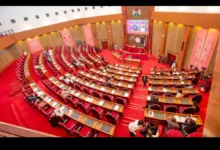


“I saw it as an opportunity to attend the interview,” David said. “I went straight to the app, shared my ATM details, and within minutes, they credited me ₦10,000.”
David made it to Lagos. But the interview ended in disappointment; he didn’t get the job. With no money left and no new income, repaying the loan became a problem.
From loan to harassment
Three days to the repayment deadline, reminder messages started coming in. Soon, calls followed.
“When the Fairmoney agent called me, I was confused because I didn’t know what to say,” David said. “They kept calling and then threatened to call all my contacts. On WhatsApp, they sent me a list of numbers they would call if I didn’t pay that day.”
David managed to raise half of the money, and the calls stopped temporarily. But two days later, his mother called during the day, a time she rarely phoned.
“Several messages had entered my SMS and WhatsApp, full of your pictures and name, claiming you borrowed money online, and if you didn’t pay before the day ended, they would expose you online,” his mum told him.

David explained the situation; she understood and sent him the remaining amount to pay them off. But Fairmoney added an extra ₦3,000, claiming his repayment had exceeded the deadline.
“They’re wicked people,” David said. “I can’t even advise someone to borrow from them. And since I paid, they have never approved another loan for me.”
‘Stay away from loan apps, e get why.’
For Emmanuel, the trouble came from Palmpay. He borrowed ₦2,000 with a seven-day repayment period.
“They gave me seven days to pay, but my salary was coming in 14 days,” Emmanuel explained. “By the time I went to pay, they had added ₦1,000. I ended up paying ₦3,000.”
When he tried to borrow again, Palmpay denied the request, citing the need to maintain a “good credit score”.
“I laughed,” Emmanuel said. “A good credit score over just ₦2,000?”
The next morning, he got a message saying he was now eligible for a larger amount, leaving him puzzled about the rules.
“What annoys me most is the interest. How can someone borrow ₦20,000 to pay back ₦30,000? Unless you have the mind to stand them, when they threaten you, your mind no go touch ground.”
A system millions depend on and suffer from
In Nigeria, only 12% of workers earn a formal wage, and just 6% of adults accessed formal loans in 2023. Mobile loan apps have stepped into the gap with promises of quick cash, no collateral, and minimal paperwork.
But the PiggyVest Savings Report 2023 shows that 40% of Nigerians are in debt, and 26% owe money to a loan app. Research by SBM Intelligence found 27% of Nigerians across all income levels use these platforms just to meet daily expenses.
Despite the growing use, digital credit still makes up only 5% of active digital financial services. But complaints are mounting; over 11,000 cases reached the Federal Competition and Consumer Protection Commission (FCCPC) between 2021 and 2023, most involving harassment, illegal debt collection, and data privacy breaches.
An investigation by The Africa Report found some lenders charge between 2.5% and 30% per month, equivalent to 30% to 360% APR, far above the Central Bank’s lending rate.
These costs are often buried in “service fees” and penalties. A ₦10,000 loan can turn into ₦15,000 within weeks. Even a one-day delay in repayment can trigger threats and public shaming.
Borrowers report that lenders harvest phone contacts during registration and, in case of default, send defamatory messages to friends, family, and employers. Some even share altered images to humiliate defaulters.
“It’s better to suffer small than enter their wahala,” David concluded.
Experts react
In an interview with Mr Abdulwaheed Onikahun, a respected economic analyst, he described most online loan applications in Nigeria as “virtually scams” designed to exploit unsuspecting citizens. According to him, the interest rates charged by many of these platforms are “outrageous”, with some as high as 50%, 70% or even 100%. “Imagine borrowing ₦50,000 and being asked to pay back ₦90,000; that is nothing but exploitation,” he said, warning Nigerians to avoid such services whenever possible.
Speaking further, Mr Onikahun explained that while these loans should generally be avoided, those left with no option must repay promptly to prevent embarrassment. “Most of the harassments people complain about, like calling family, friends, and even colleagues, are already packaged in the terms and conditions you accept before the loan is approved,” he noted. He advised instead that people should look to safer alternatives such as personal savings or support from trusted relatives and friends.
Emphasising the importance of financial discipline, the analyst noted that many Nigerians live beyond their means, sometimes appearing wealthy while having little in reserve. “Even some people with flashy cars may not have ₦5,000 in their accounts,” he revealed. Urging a change of mindset, he concluded with a reminder: “When you receive your income, save first and spend what remains—not spend first and hope to save later.”
According to Chuka Mordi, in an interview with Business Day Newspaper, the Nigerian economist recognises the significant role of online loan apps in driving financial inclusion for underserved populations in Nigeria. He acknowledges that these platforms provide quick and easy access to credit, especially for low-income earners and small business owners who are often excluded from traditional banking services. However, he expresses deep concern about the high interest rates and hidden fees associated with these loans. Mordi points out that, “while the apps market themselves as providing affordable credit, many charge exorbitant rates, sometimes exceeding 30% annually.” He warns that this often leads to borrowers falling into a cycle of debt. “While digital lending has the potential to boost financial inclusion, the unregulated nature of many loan apps in Nigeria can lead to exploitation, especially for vulnerable populations.”
Another major concern for Mordi is the aggressive debt collection practices used by many online lending platforms. Some apps have been accused of harassing borrowers through repeated calls, threatening messages, and even reaching out to family members. Mordi highlights the psychological toll this can take, particularly in a country like Nigeria, where family reputation is highly valued. He emphasises that “these practices are unethical and contribute to social and mental stress among borrowers.” He further explains, “The aggressive tactics employed by digital lenders often result in borrowers being trapped in a cycle of shame and financial instability, which exacerbates their already difficult situation.”
Mordi stresses the importance of stronger regulation in the fintech space to prevent such predatory practices. While he supports the growth of digital lending as a means to increase access to credit, he believes that the lack of regulatory oversight has left many Nigerians vulnerable to exploitation. He advocates for more robust government action to ensure these platforms operate transparently and fairly, with clear terms and consumer protections. “Without proper regulation, the fintech space will remain a legal grey area, where consumers are left exposed to predatory practices by unlicensed lenders.”