Is the Nigerian media too busy chasing politicians to notice we’re being poisoned? By Akin Olaniyan
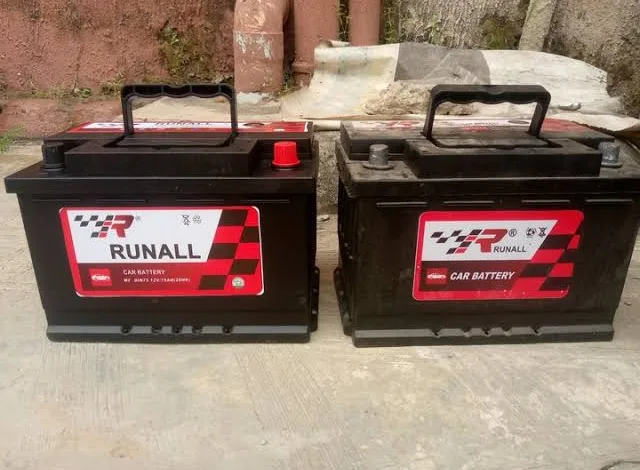
A friend shared a TikTok video with me and I was shocked it showed The New York Times obviously investigated a story that should concern us. It confirms something Global automakers knew for nearly three decades – that their lead battery recycling chain was polluting communities. Now, OUR OWN Ogijo in Lagos State is sufferinng!
The report found that up to 7 out of 10 people in Ogijo have dangerously high levels of lead in their blood, and the soil is up to 186 times the safe limit. This isn’t a foreign problem; it’s an active, life-and-death crisis happening in our backyard, poisoning our children and workers.
So, Where Was the Nigerian Media? That’s the question that came to mind when I saw the video. Then I remembered the Nigerian media is too busy covering insecurity and the political maneuverings ahead of 2027. I believe I can live with the fact that while foreign journalists were busy securing complex documents, conducting chemical analyses, and speaking to the victims in Ogun State, our media was, presumably, too occupied with matters of far greater national importance.
Still, there are two things:



- The Investigative Void: Why bother with the difficult, under-resourced work of digging into toxic corporate supply chains when it is easier to attend a press conferences, run advertorials-as-stories state governments? Our investigative units seem to have permanently filed this story under: “Too Hard, Too Expensive, Too Dangerous to the Ad Budget.”
- The Impact Paradox: The primary purpose of the press is to hold power accountable. Yet, when a story directly links global auto giants and local regulatory failure to the slow poisoning of a community, our local media remains spectacularly silent. It’s a clear trade-off: Losing the lead out of the environment is good for the citizens; losing the corporate and government advertising revenue is bad for the media. The latter always wins.
The Cost of Silence: The Trust Deficit
When it takes a newspaper from New York to tell us that our own air is toxic and our children are sick, the Nigerian media risks a further erosion of trust. Every missed story like this chips away at the trust of the reader, reinforcing the painful truth: The watchdog has become a lapdog.
If there is any positive to this, I would bet it’s the fact that at least one Senator (Mukhail Adetokunbo Abiru) probably saw that story and is bringing the story into national conversation. Let’s just hope that his involvement will attract the attention of the very busy Nigerian media into the Ogijo leas story.
It’s one story we cannot allow to be buried.
–Olaniyan (PhD) is an adjunct lecturer at the Pan-Atlantic University in Lagos