Lagos broadcasters raise alarm over rising attacks on media practitioners
By Kunle Sanni –
The Lagos Chapter of the Society of Nigerian Broadcasters (SNB) has expressed deep concern over what it describes as a disturbing rise in attacks and interference targeting broadcast professionals across the country, warning that the trend threatens press freedom, democratic governance, and national development.
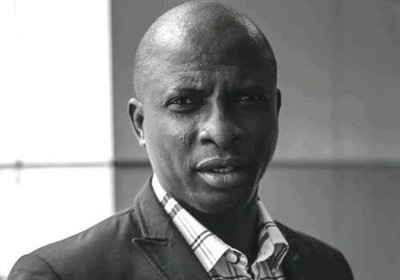
In a statement, SNB Chairman Ayo Makinde condemned the incidents, calling them “a dangerous threat to constitutional freedoms, national development, public trust, and citizen participation in governance.”
Makinde said the attacks were not isolated but part of a systemic challenge to the role of broadcast media as outlined in Sections 22 and 39 of the 1999 Constitution, which mandate the press to hold government accountable and ensure the free flow of information.




He alleged that both direct government actions and misuse of existing laws were fueling the clampdown. These include vague provisions in the Nigerian Broadcasting Code, the Cybercrimes Act, parts of the Terrorism Prevention Act, and colonial-era laws such as sedition and criminal defamation.
Makinde also noted that the Public Order Act, though not a media-specific law, had been used to restrict coverage of protests and public gatherings. He said such laws, while legitimate in intent, had been applied in ways that intimidate media houses, leading to self-censorship, especially among smaller rural stations.
The SNB chairman cited recent incidents, including Niger State Governor Umar Bago’s threat in August 2025 to shut down Badeggi FM 90.1 and demolish its premises—an action reserved for the National Broadcasting Commission (NBC).
Other examples included the suspension of Legacy FM’s Acting General Manager, Godfrey Chikwere, in Ebonyi State over criticisms of Governor Francis Nwifuru; the demolition of RayPower FM and AIT masts in Rivers State in 2023; the suspension of AIT and RayPower licences in 2019; and the ₦5 million fines imposed on several stations, including Trust TV, in 2022.
Makinde warned that silencing broadcasters undermines public trust, limits citizen participation, and slows national development, adding: “A nation that limits access to information also limits its ability to grow.”