Lagos reduces malaria cases to two percent, health commissioner reveals
By Adeola Ogunrinde, Lagos
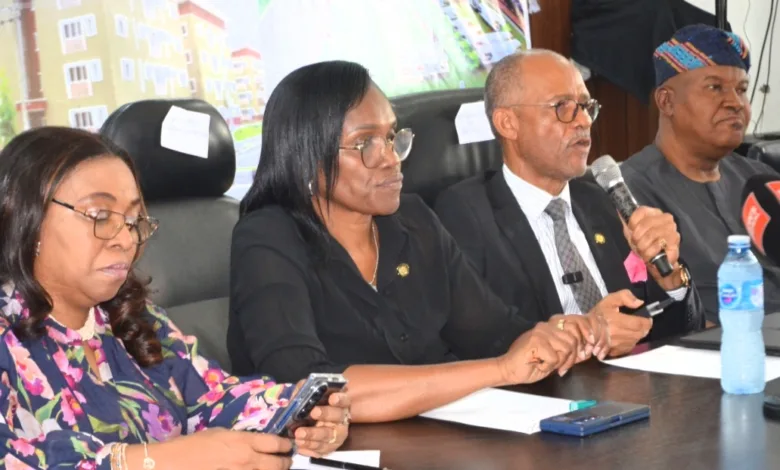
The Lagos State Government on Tuesday said it had reduced malaria prevalence in the state to two percent over the past 15 years, according to the Commissioner for Health, Professor Akin Abayomi.
Abayomi disclosed this during a ministerial press briefing in Alausa, Ikeja, noting that malaria prevalence declined from 15 percent in 2010 to 10 percent in 2015 and currently stands at two percent in 2025.
He said the improvement was driven by policy reforms, improved diagnostic systems and public sensitisation against the unnecessary use of antimalarial drugs, which have helped reduce excessive medication and improve accurate diagnosis.


The commissioner added that the long-term goal is to curb antimicrobial resistance across treatments for parasitic, bacterial and tuberculosis infections, even as the state grapples with significant health workforce shortages.
He revealed that Lagos currently has about 7,000 doctors but requires an additional 30,000 doctors and 40,000 nurses to meet healthcare demands, warning that existing personnel are under severe pressure.
Citing World Health Organisation standards, Abayomi said Nigeria’s doctor-to-patient ratio remains far below global recommendations, increasing the risk of burnout among health workers who are already overstretched.
He said the government had commenced the expansion of the Lagos State University College of Medicine across Ikeja, Yaba and Gbagada, a project expected to produce more than 2,500 healthcare professionals annually.
Abayomi further disclosed that a 72-room accommodation facility for house officers has been completed at the Lagos State University Teaching Hospital, while staff quarters in Odan, Gbagada and Ojo are nearing completion, alongside ongoing hospital upgrades including the Massey Children’s Hospital, as the state continues renovation of general hospitals and 47 primary health centres while expanding solarisation and infrastructure improvements under the Sanwo-Olu administration.