Nigeria, AfDB seal deal to extend agro-industrial zones to 24 states
Nigeria has secured enhanced financial backing from the African Development Bank (AfDB) to roll out the second phase of its Special Agro-Industrial Processing Zones (SAPZ), extending the programme from seven states and the Federal Capital Territory (FCT) to 24 states.
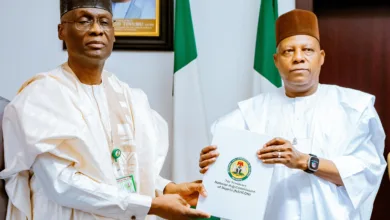
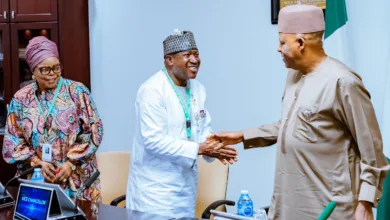
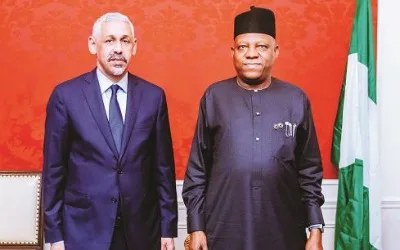
The approval followed Vice President Kashim Shettima’s meeting with AfDB President Sidi Ould Tah on the sidelines of the 80th United Nations General Assembly (UNGA) in New York.
Shettima, in a statement by his media aide Stanley Nkwocha, noted that Nigeria, as AfDB’s largest shareholder with a portfolio of over $10 billion, deserves expanded support. He recalled the bank’s earlier $300 million assistance and appealed for more to drive agricultural diversification and value-added exports.
“From the mangrove forest swamps in the south to the Sahelian region in the north, Nigeria can grow virtually anything,” the Vice President said, highlighting fertile states like Kebbi and the country’s vibrant youth population as key assets.

He further urged the bank to support innovation-driven enterprises, particularly in the digital economy, stressing that Nigeria already hosts five of Africa’s eight tech unicorns.
Also at the meeting, Environment Minister Balarabe Lawal sought AfDB’s backing for Nigeria’s Great Green Wall project to fight desertification, while Housing Minister Ahmed Dangiwa appealed for support in tackling the country’s housing deficit.
Responding, AfDB President Tah assured that the bank would step up its role as a catalyst for Africa’s development by mobilising global capital, reforming the continent’s financial architecture, creating jobs, and industrialising natural resources. “My vision for the bank is not as a lending institution, but as a catalyst to mobilise resources for Africa’s transformation,” he stated.
Meanwhile, Vice President Shettima also met with the Prime Minister of St. Kitts and Nevis, Dr. Terrance Drew, where both leaders pledged to deepen economic and cultural ties between Nigeria and the Caribbean.