Nigeria faced ‘critical inflexion point’ before Tinubu’s bold reforms, says NRS chairman

The Executive Chairman of the Nigeria Revenue Service (NRS), Zacch Adedeji, on Tuesday said Nigeria was previously at what he described as a “critical inflexion point,” marked by severe economic and structural challenges, before the current reform agenda was introduced.
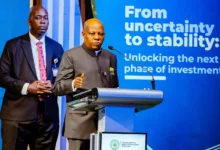
Speaking at the commissioning of the new NRS Headquarters in Abuja, he said the country faced “constrained fiscal space, weakened investor confidence, and structural distortions across key sectors.”
He explained that these conditions placed significant strain on national finances and limited the government’s ability to respond effectively to economic pressures at the time.
Since taking office in May 2023, President Bola Tinubu has introduced two major and closely linked economic reforms aimed at stabilising Nigeria’s economy: the removal of petrol subsidy and the unification of the foreign exchange (FX) market.



The subsidy had for decades kept fuel prices artificially low, but cost the government billions of dollars annually.
Adedeji said the reforms that followed were aimed at addressing these underlying weaknesses and restoring stability to the fiscal system. He noted that the response was not incremental but a broad reset of economic management structures.
“The country faced a critical inflexion point, marked by constrained fiscal space, weakened investor confidence, and structural distortions across key sectors,” he said, stressing that the situation required decisive and coordinated policy action.
He added that the reform programme has since focused on rebuilding confidence, improving revenue performance, and strengthening institutional coordination across government.
The chairman said early results suggest progress in stabilising fiscal operations and improving predictability in economic governance, describing the reforms as essential for long-term national resilience.
He noted that the experience underscored the importance of sustained institutional discipline and coherent policy direction in addressing deep structural economic challenges.