Tinubu’s executive order within constitutional bounds, says Pinheiro
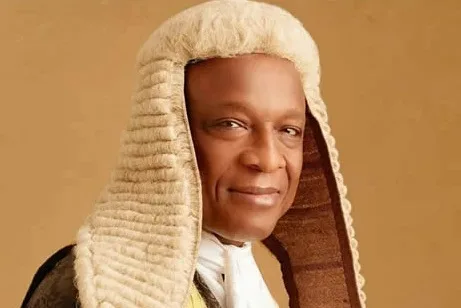
A Senior Advocate of Nigeria, Kemi Pinheiro, has defended the constitutional basis for presidential executive orders, stating that the President is empowered to amend existing laws to ensure they conform with the provisions of the 1999 Constitution.
Pinheiro’s position follows the controversy surrounding President Bola Tinubu’s Executive Order suspending revenue deductions by the Nigerian National Petroleum Company Limited and other agencies. The Petroleum and Natural Gas Senior Staff Association of Nigeria had criticised the directive, alleging that it contravenes the Petroleum Industry Act. However, the President’s Special Adviser on Information and Strategy, Bayo Onanuga, maintained that critics were misreading the constitutional hierarchy of laws.
In a statement issued on Tuesday, Pinheiro cited Section 315 of the Constitution, arguing that its transitional provisions grant the President powers as the “appropriate authority” to make necessary modifications to existing laws to bring them into conformity with constitutional requirements.
He clarified, however, that executive orders do not supersede Acts of the National Assembly. According to him, such orders are binding directives typically issued to Ministries, Departments and Agencies to implement policies or enforce existing laws, even though they are not expressly mentioned in the Constitution. “An executive order cannot override an Act of Parliament (Act of the National Assembly) under the Constitution of the Federal Republic of Nigeria 1999 (as amended),” he said.




Pinheiro stressed that law-making remains the exclusive responsibility of the National Assembly under Section 4 of the Constitution, adding that any Act found inconsistent with constitutional provisions must be declared null and void, in line with Section 1(3) on constitutional supremacy.
Meanwhile, the Arewa Think Tank has urged President Tinubu to incorporate the Revenue Mobilisation, Allocation and Fiscal Commission into the implementation committee of the executive order on oil and gas revenue remittance.
In a statement by its convener, Muhammad Yakubu, the group described the directive as a timely intervention aimed at improving transparency and safeguarding revenues due to all tiers of government. However, it expressed concern that the commission, constitutionally mandated to monitor accruals into and disbursement from the Federation Account, was excluded from the implementation framework.
Yakubu said including the commission would enhance credibility, transparency and institutional balance, emphasising that broad collaboration among relevant constitutional bodies is essential to eliminate revenue leakages, curb excessive deductions and strengthen accountability in the oil and gas sector.