ACReSAL project restores 922,000 hectares, boosts livelihoods for 9.3 million people
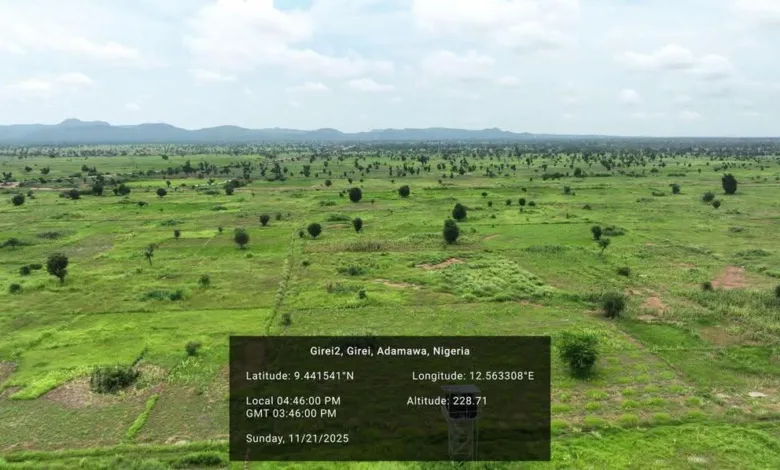
Nigeria’s flagship climate resilience initiative, the Agro-Climatic Resilience in Semi-Arid Landscapes (ACReSAL) Project, has restored more than 922,000 hectares of degraded land and improved livelihoods for about 9.3 million people across northern Nigeria, according to findings from its 2026 Mid-Term Review.
Supported by the World Bank, the project operates across 19 northern states and the Federal Capital Territory, targeting regions heavily affected by desertification, environmental degradation and climate vulnerability.
The review, conducted in April 2026, showed that ACReSAL achieved 97 percent of its land restoration target by placing 922,717.86 hectares under restoration.
The project also surpassed its original beneficiary target by 276 percent, with women accounting for nearly half of all participants.


Speaking on the impact of the initiative, ACReSAL said the project is demonstrating how environmental restoration can directly improve livelihoods and strengthen climate resilience.
“ACReSAL positions Nigeria as a leader in integrated climate resilience programming in Sub-Saharan Africa,” the project stated in its Mid-Term Review report.
It added that the programme “demonstrates a scalable model for delivering both emission reduction and climate adaptation outcomes.”
The project has developed 20 Strategic Catchment Management Plans across participating states — described as the first coordinated framework for sustainable natural resource management in Nigeria.