Atiku’s proposed petrol subsidy will hurt Nigeria, Ondo ALGON chair warns
By Adejayan Gbenga
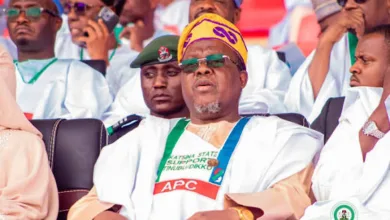
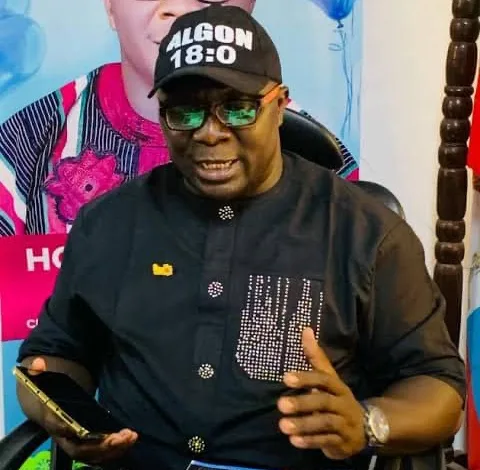
The Ondo State Chairman of the Association of Local Governments of Nigeria (ALGON), Dr Gbenga Fasua, has criticised former Vice President Atiku Abubakar’s proposal to restore petrol subsidy, warning that the policy could place additional pressure on Nigeria’s finances.
Fasua, who is also Chairman of Akure South Local Government, said Nigeria could ill-afford to return to a system that, in his view, placed a heavy financial burden on governments and reduced resources available for infrastructure and other public needs.
Atiku, the presidential candidate of the African Democratic Congress (ADC), has maintained that he would restore petrol subsidy if elected in 2027, arguing that government intervention is needed to reduce energy and transportation costs and ease the burden of high living costs. His campaign has, however, clarified that the proposal would be a targeted, capped and independently audited intervention focused on domestic production and refining rather than a return to the former import-subsidy regime.
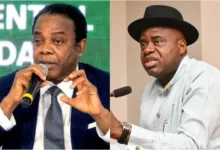
Speaking in an interview, Fasua nevertheless argued that any move to reintroduce subsidy could reverse some of the fiscal gains associated with the removal of the previous petrol subsidy regime. He said governments had previously faced significant financial pressures while trying to meet recurrent obligations, including salary payments.
“Nigeria cannot afford to return to the old economic order where governments borrowed to pay salaries at the expense of infrastructure and other development,” Fasua said.
He therefore urged Nigerians to carefully consider the long-term implications of competing economic policies ahead of the 2027 elections. According to him, policies intended to provide immediate relief should not create deeper fiscal challenges or increase the dependence of governments on borrowing.
Fasua also defended the economic direction of the administration of President Bola Tinubu, saying the impact of its reforms should be assessed over time rather than solely on the basis of immediate gains or difficulties. He argued that the government’s decision to remove petrol subsidy was part of broader efforts to address longstanding fiscal and economic challenges.
He said the 2027 political debate should consequently focus on how competing economic proposals would affect government finances, infrastructure and public services in the long term. Fasua maintained that Nigeria needs policies capable of promoting fiscal sustainability, reducing excessive reliance on borrowing and ensuring that available public resources are channelled into development.