FG launches national skills programme to reach 20m youth by 2030
…targets 60% female participation
By Kunle Sanni –
The Federal Government has unveiled a new national skills programme aimed at connecting 20 million young Nigerians to jobs, training, and entrepreneurship opportunities by 2030, with at least 60 per cent of participants expected to be women.
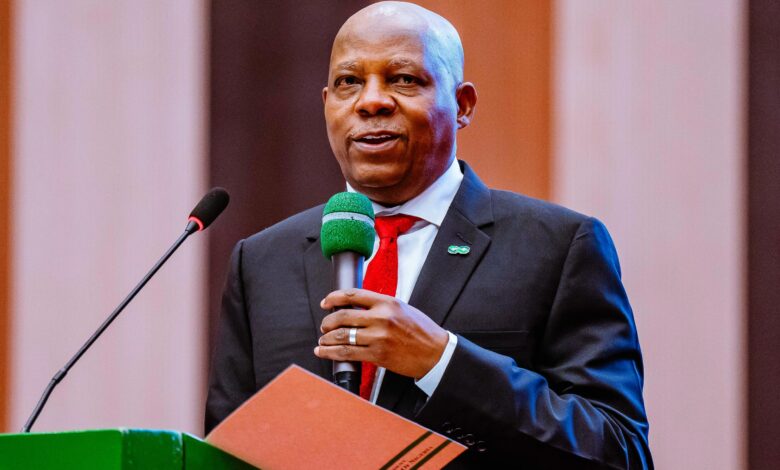
Vice President Kashim Shettima announced the initiative on Wednesday during the inaugural meeting of the reactivated Generation Unlimited (GenU) Nigeria Board, which he now chairs. The meeting coincided with International Youth Day 2025, themed “Youth Innovation for a Sustainable Future.”



Shettima described Nigeria’s youthful population as the country’s greatest asset in a rapidly ageing world but warned that the national skills system faces “a trilemma” — mass exclusion of young people, training disconnected from real jobs, and inadequate facilities for hands-on learning.
“Another isolated training scheme will not deliver us from these constraints. What we need is systemic change — a new architecture built to last,” the Vice President said.
At the centre of the plan is the Digital Access and Livelihoods Initiative (DALI), a demand-driven programme designed to link digital and work-readiness training directly to guaranteed jobs or enterprise opportunities. All training will align with the National Skills Qualification Framework to ensure global competitiveness.
“This is a platform to unify government, private sector leaders, development partners, and the energy of our youth under a single banner,” Shettima added. “We owe young Nigerians jobs. We owe them hope. We owe them a future — not just promises but proof that their country believes in them enough to invest in their success.”
Minister of Youth Development, Ayodele Olawande, said the administration’s vision is to “create jobs, bridge the skills gap, and empower young people through human capital development, not token gestures.”
Rimamskeb Nuhu, Special Assistant to the President on Strategy and Policy (Workforce Development), explained that DALI will tackle three major challenges — weak foundational skills, lack of livelihood pathways, and poor training infrastructure — by equipping underserved communities with digital skills and establishing Renewed Hope Digital Hubs nationwide.