FG warns against outsourcing Africa’s malaria fight, seeks domestic action
By Kunle Sanni –
The Federal Government has urged African countries to take greater ownership in the fight against malaria, warning that continued reliance on foreign funding and fragmented interventions will hinder progress against the disease.
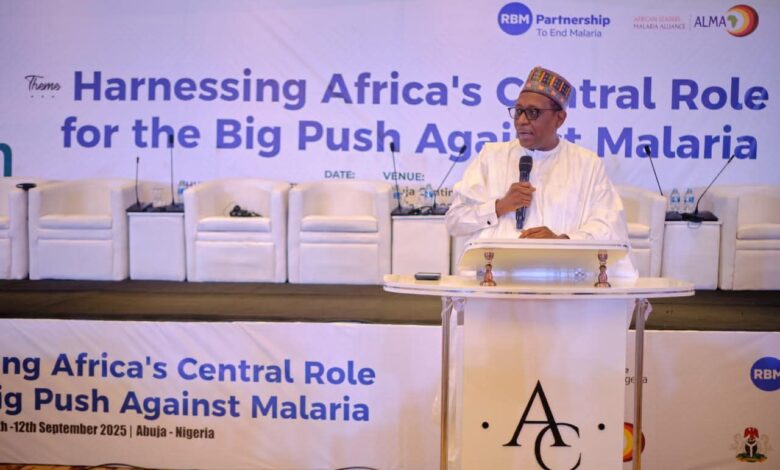
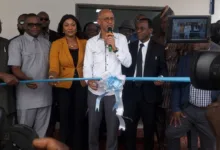
Speaking at the Harnessing Africa’s Central Role Against Malaria – Big Push meeting in Abuja, Coordinating Minister of Health and Social Welfare, Prof. Muhammad Ali Pate, said Africa must prioritise domestic financing and homegrown solutions to tackle a disease that claims nearly 600,000 lives globally each year.
He noted that despite nearly 80 years of malaria control efforts, Nigeria still accounts for one-third of the global malaria burden. According to him, this is largely due to overdependence on external support, while domestic investments in prevention, diagnosis, and treatment have lagged behind.


“Over the last 25 years, as external financing went up, domestic financing went down. We cannot continue outsourcing our problem to Geneva or Washington. We must design strategies that reflect our realities,” Pate said.
The minister highlighted ongoing efforts to localise the malaria response, including the establishment of diagnostic kit factories, plans for a major mosquito bed net manufacturer to set up operations in Nigeria, the integration of malaria case management into primary healthcare, and the local production of artemisinin-based therapies.
Minister of State for Health, Dr. Iziaq Adekunle Salako, also emphasised the scale of the problem, citing World Health Organization (WHO) data showing 263 million cases and 597,000 deaths globally in 2023, with Africa accounting for 94 percent of infections and 95 percent of fatalities.
“These figures are unacceptable. To defeat malaria, we must mount a big push. This means ensuring preventive tools, affordable diagnosis and treatment, and addressing challenges such as insecticide resistance and climate change,” Salako said.
He warned that humanitarian crises, conflicts, and climate-related events such as floods and droughts are exacerbating the spread of the disease by displacing communities and expanding mosquito breeding grounds.