Lagos rallies religious, traditional leaders against gender-based violence
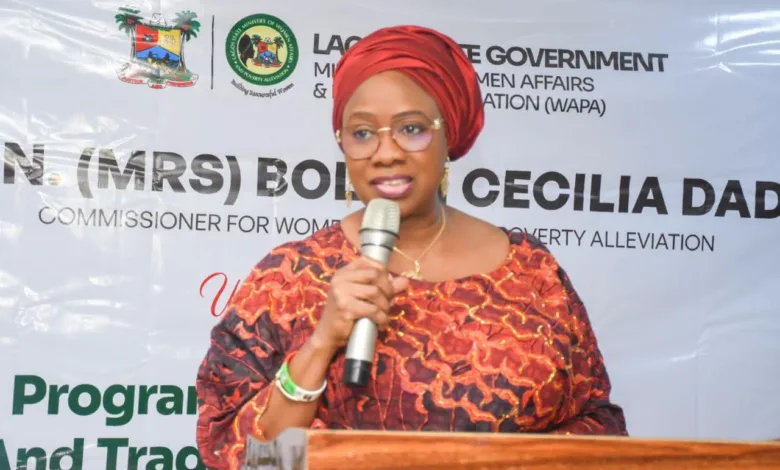
The Lagos State Ministry of Women Affairs and Poverty Alleviation has called on religious leaders and traditional rulers to take a more active role in preventing gender-based violence (GBV), protecting vulnerable persons and promoting safer families and communities.
Commissioner for Women Affairs and Poverty Alleviation, Bolaji Cecilia Dada, made the call at a sensitisation programme themed “Religious Leaders as Community Guardians and Champions Against Gender-Based Violence”, held on Thursday at the Lagos Chamber of Commerce and Industry (LCCI), Lagos.
Dada described religious leaders as trusted advisers, counsellors, teachers and role models whose influence could help shape attitudes and behaviours within families and communities.
She urged them to speak against all forms of violence, promote mutual respect, healthy relationships and peaceful conflict resolution, while cautioning against treating cases involving physical or sexual violence, threats to life and child abuse as ordinary family disputes.




The commissioner stressed that the government could not tackle GBV alone and urged religious and community leaders to take the message of prevention to their places of worship and communities. She reaffirmed the commitment of the Lagos State Government, under Governor Babajide Sanwo-Olu, to protecting vulnerable persons and strengthening the state’s response to GBV.
The facilitator, Venerable Adesina Adelowo, managing consultant, Sage and Scribes, said the fight against GBV was a collective responsibility. He urged religious leaders and other stakeholders to handle cases objectively and professionally, without allowing personal relationships, sentiments or social status to influence their response.
Adelowo cautioned against prioritising reconciliation over the safety and rights of victims and survivors, stressing the need for offenders to be dealt with appropriately in accordance with the law.
In her vote of thanks, the permanent secretary of the ministry, Rianat Ajibike Onigbanjo, urged participating religious leaders to apply the lessons from the programme by speaking against violence, encouraging victims to seek help and referring serious cases to appropriate response structures.