Has FIFA lost its way? — by Kayode Adebiyi
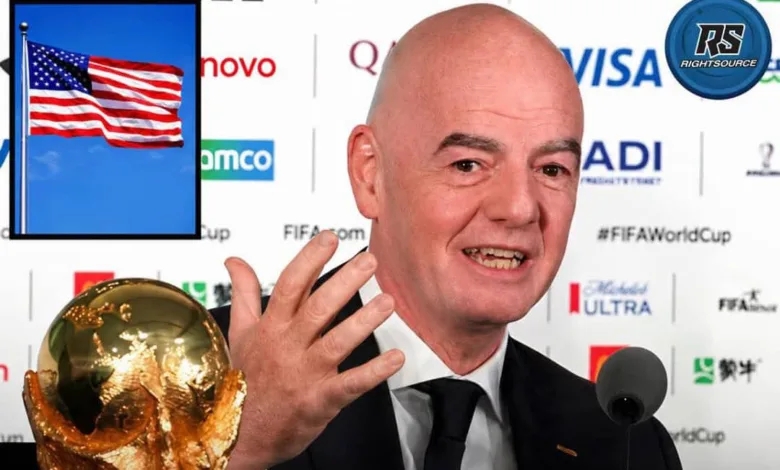
Left to me, I think the world is ripe for another global football governing body. FIFA has become so big that it seems to have lost its sense of purpose and direction.
First, increasing the number of participating teams to 48 serves no logical footballing purpose other than commercial gain. That is also why they are now making multiple nations host a single global competition. It takes some of the shine off the tournament, and I have never seen a World Cup generate less enthusiasm globally than this one.
The same body that is quick to sanction and suspend a country’s football federation over government interference is now saying it can do nothing when a host nation refuses entry to one of its own appointed match officials. FIFA’s response is essentially: “We do not control what sovereign nations do regarding immigration.” Really? Then what conditions are imposed before hosting rights are awarded? Should unrestricted access for FIFA officials not be one of the fundamental requirements?
Even more baffling, when the United States denied the referee entry, why didn’t FIFA immediately reassign him to one of the other two host nations — Canada or Mexico — if they were willing to admit him? Instead, they simply sent him home. How does that make any sense?




Then there is the issue of Iran. How does FIFA decide to place Iran’s group in the United States? Surely basic emotional intelligence should tell FIFA President Gianni Infantino that when relations between two countries are highly strained, you avoid putting one nation’s team in a potentially compromised position.
Why not assign Iran’s group to Canada or Mexico instead of exposing the team, its officials, and supporters to potential immigration complications and unnecessary controversy? It would be like asking the U.S. basketball team to go and play a major tournament in Iran.
Logistically, a World Cup hosted by three countries is also a nightmare waiting to happen. Travel across multiple borders and vast distances will be cumbersome for teams, officials, supporters, and the media. Some teams may have to move from one country to another within days of their next match. Where is the level playing field in that?
For me, this is shaping up to be one of the worst-organized World Cups ever conceived. Football should be about the game, the fans, and the spirit of global competition—not endless commercial expansion and avoidable logistical headaches.
It is also quite ironic that some Western nations and sections of their media spent months deriding Qatar before the 2022 World Cup. There were calls for boycotts, endless criticism, and in some cases, even reluctance to fully embrace the tournament’s opening and closing ceremonies.
Yet, when all was said and done, the Qatar World Cup turned out to be one of the best-organized tournaments in FIFA history. The infrastructure worked, the stadiums were world-class, travel between venues was seamless, security was effective, and fans enjoyed an unprecedented level of convenience, with multiple matches accessible in a single day due to the compact nature of the host nation.
Whatever one’s views on Qatar’s politics or human rights record, the tournament itself set a high organizational standard that many traditional football powers would struggle to match. It serves as a reminder that preconceived narratives and media-driven perceptions do not always align with reality on the ground.