Lagos as a national hub: Setting the record straight — by Okoi Obono-Obla
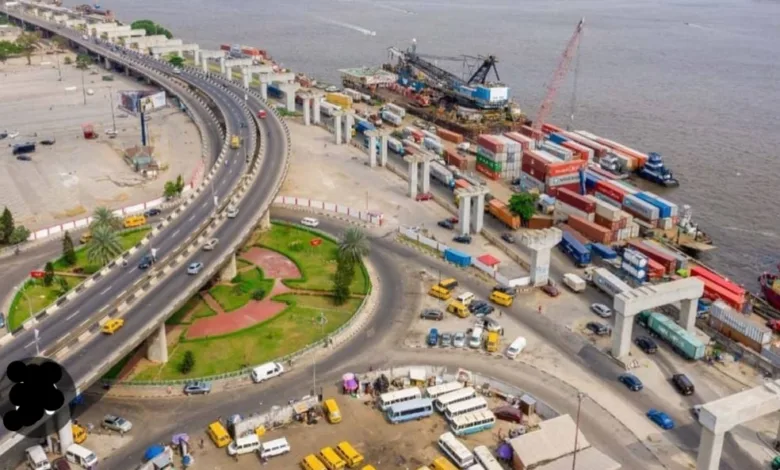
On 10th May 2026, I shared brilliant pictures of the Lagos–Badagry–Sokoto Super Highway, which had been abandoned for 45 years at the design stage but was revived and adopted as one of President Bola Ahmed Tinubu’s signature projects. Today, it has become fully concretized. The post attracted a wide range of reactions from Nigerians across the national divide. However, one comment that caught my attention came from someone likely from the South East Geopolitical Zone.
He wrote:
*”Chief, please resolve this for me.
1) Lagos coastal road
2) Lagos–Sokoto highway
3) Lagos Tincan port
4) Lagos Apapa port
5) Lagos Badagry port
6) Lagos Snake Island port
7) Lagos Lekki deep sea port
8) Lagos airport remodeling
9) Lagos Dodan Barracks remodeling
10) Lagos–Ibadan expressway
11) Lagos–Ogun Police College
12) Lagos–Badagry expressway
13) Lagos–Abeokuta expressway
15) Apapa–Oshodi–Gbagada expressway
16) Etc, etc, etc.
So sir, make it make sense to Nigerians. Is Lagos the only state in Nigeria? Which other states or geopolitical zones have this number of projects, or is this the way to go? The president takes all?”*

My response was:
Lagos is a mini Nigeria.
With a population of more than 20 million people drawn from all tribes, ethnicities, and regions of the country, Lagos cannot be seen as belonging only to the Yoruba ethnic nationality or the South West. Any project sited in Lagos serves all Nigerians—from the 36 states and the Federal Capital Territory, Abuja.
It is therefore narrow-minded to assume that projects in Lagos benefit only Lagosians or Yorubas. President Bola Ahmed Tinubu’s administration has also embarked on significant projects in the South East Geopolitical Zone. Thus, the insinuation that he has only favored Lagos is incorrect and misplaced.
In fact, the Tinubu administration has undertaken several key infrastructure projects in the South East, focusing on reviving abandoned road projects and enhancing regional connectivity. As of early 2026, over ₦1.5 trillion worth of road projects were reported as ongoing in the region.
Key Projects in the South East
- Road Infrastructure Development
- Enugu–Onitsha Expressway: Major reconstruction and dualization (107 km) under the MTN Tax Credit Scheme, with additional work by CBC Nigeria Ltd.
- 2nd Niger Bridge Access Road: Construction of a 17.55 km dualized access road linking the bridge to major transport corridors in Anambra and Delta states.
- Enugu–Port Harcourt Expressway: Rehabilitation and upgrades across various sections, including the 56.1 km Umuahia–Aba stretch.
- Lokpanta–Enugu Road: Completion of 61 km dualization from Lokpanta in Imo State to Enugu State.
- Enugu–Abakaliki Road: Rehabilitation of 36 km of road.
- Trans-Sahara Highway (Ebonyi Section): Construction of a 118 km section within the Ebonyi–Calabar corridor.
- Railway Projects
- Eastern Rail Line Rehabilitation: Prioritized rehabilitation of the 2,044 km line, with the Port Harcourt–Aba section completed and operational.
- Healthcare Facilities
- UNTH Nsukka Oncology Centre: A world-class cancer treatment center completed and commissioned.
- Cancer Centre of Excellence (Uburu): Construction of a facility at the David Umahi Federal University of Health Sciences, Ebonyi State.
- Regional Development Initiatives
- South East Development Commission (SEDC): Established to address specific infrastructure and developmental needs of the region.
- Reactivation of Abandoned Projects: According to Minister of Works David Umahi, about 90% of abandoned projects in the region—some dating back to 2013—were revived and funded under the current administration.
Conclusion
While Lagos naturally attracts numerous projects due to its population size, economic importance, and national character, it is not the only beneficiary of federal development. The South East, alongside other geopolitical zones, has also witnessed significant infrastructural investments under President Tinubu’s administration. It is important to view these projects not through an ethnic or sectional lens, but as national assets designed to serve all Nigerians.