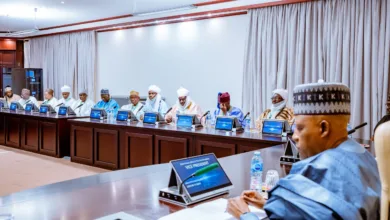
Minister Musawa calls for strengthening Africa’s fashion and textile industry
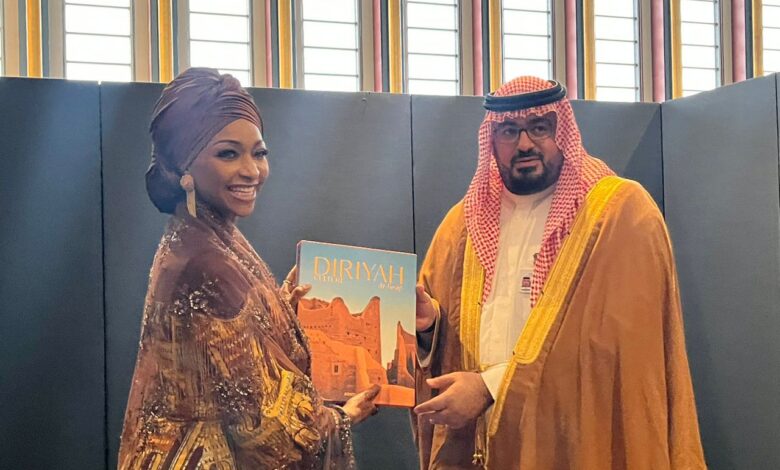
In a keynote address at the Creative Africa Nexus Weekend Summit in Algiers on Thursday, Nigeria’s Minister of Art, Culture, and Creative Economy, Barrister Hannatu Musa Musawa, stressed the importance of empowering Africa’s fashion and textile industry to boost local economies and reclaim the continent’s cultural identity.
Highlighting Africa’s rich textile heritage, Musawa referenced iconic fabrics such as Adire, Kente, Bogolan, and Ankara, which she said are symbolic of the history, identity, and pride of African people. However, she expressed concern that many of these cherished fabrics, like Ankara, are largely produced outside the continent.
“Despite our rich heritage, it is deeply ironic that nearly 90% of the Ankara fabric consumed in Africa is imported, resulting in an annual loss of around $3 billion to foreign manufacturers,” Musawa remarked. “This must change. We need to reclaim our fashion narrative by enhancing local production and ensuring that the benefits of this industry stay within Africa.”
Musawa emphasized the vast economic potential of Africa’s fashion sector, projected to reach $15.5 billion by 2025, while identifying key challenges impeding local production. She advocated for collective action to address these challenges, including forming cooperatives that encourage collaboration within the industry.




“Fashion is more than just an art form—it’s an economic engine,” the minister added. “Globally, the fashion industry is worth approximately $2.5 trillion. In Nigeria alone, fashion contributes $6.1 billion to GDP, while South Africa’s textile sector employs over 140,000 people. This illustrates the potential for job creation and economic growth across Africa.”
She further noted that investments in the fashion industry could create millions of jobs, particularly for women and youth, and called for expanding local production capacities to position Africa as a global fashion hub. Musawa also revealed that Nigeria is working to protect and promote its fashion and textile sectors by updating intellectual property (IP) laws to safeguard traditional techniques and designs.
“Our IP laws will help protect our cultural heritage from exploitation, ensuring that originating communities benefit from their creativity instead of being left unacknowledged and impoverished,” Musawa stated.
The minister highlighted initiatives under her leadership, including the Design Nexus and Destination 2030, which aim to establish manufacturing hubs and luxury craftsmanship training programs across Africa. These efforts align with Nigeria’s broader vision to position its arts, culture, and creative economy on the global stage.
The summit also featured a panel of industry experts, including Dr. Pamela Samasuwo-Nyawiri, Co-founder & Creative Director of Vanhu Vamwe (Zimbabwe), Santosh Kumar, Director of Legislation at the International Cooperative Alliance (Belgium), Kenza Fourati, Co-Founder & President of OSAY the Label (Tunisia), Khanyi Mashimbye from Afreximbank, Lily Sommer, Programme Manager at AfCFTA, International Trade Centre, and Adel Kadar, Head of Weaving Production at TAYAL (Algeria).
Their discussions centered on the opportunities and challenges facing Africa’s fashion industry and the importance of regional cooperation to foster sustainable growth in the sector.