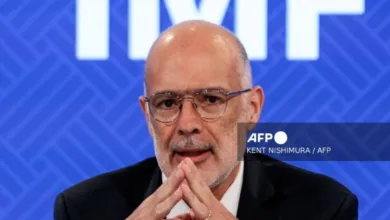
More than 95% poor Nigerians are exempted from FG’s tax reform, says Adedeji

The Executive Chairman, Nigeria Revenue Service, Dr. Zaach Adedeji on Sunday revealed that more than 95 per cent poor Nigerians are exempted from the Federal Government new tax reform, stressing that the aim of the reform is to tax rights.
The Nigeria Revenue Service in an exclusive interview with Reuben Abati on AriseTV stated that the focus of tax reform is to give relief to the poor, to make sure that those people at the lower realm feel little impact.
“Imagine that we remove VAT on all food items. Like 90 per cent of disposable income for the poor is for food.
“We remove VAT totally from those one and the same thing on transportation, which is also in the poor. So, if you look at the total and the net benefit, the poor are the most beneficiary of this tax reform,” he said.
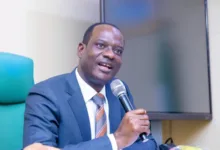

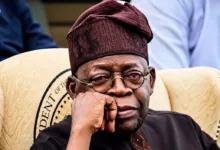

He defended the newly implemented tax reform that was signed into law by President Bola Tinubu, attributing much of the public criticism to political agendas rather than genuine issues with the law.
Adedeji clarified key aspects of the reforms, explaining the difference between income taxes, transactional taxes such as VAT, and withholding taxes, which he described as prepaid taxes.
“Many Nigerians pay as you earn. In addition, the banks will collect VAT. They have to fill forms and provide documentation.
“Transactional taxes, like VAT, apply to everyone irrespective of income. Income taxes focus on earnings. But paying income tax does not exempt you from transactional taxes,” Adedeji said.
He further explained that withholding tax is not an additional levy, but an advance payment based on transactions. “It is just tax that you’ve paid in advance based on the income you’ve generated. So even if you are on PAYE, you still pay transactional taxes,” he said, stressing that such structures are meant to streamline revenue collection rather than burden citizens.
Adedeji addressed widespread public concerns about the timing and implementation of the reforms, noting that the laws were passed by the National Assembly in June 2025 and were only phased in gradually to give individuals and companies time to adjust.
“The law has been in effect since June when the President assented to it. What started on January 1 was simply the implementation of rates after a six-month adjustment period. This is standard practice in Nigerian tax policy,” he said.
He also dismissed claims that the reforms could be used to target political opponents ahead of the 2027 general elections.
“The Nigeria Revenue Service is Nigeria, not a Political Revenue Service. There is no way we would do that. We are patriotic civil servants working for the progress and prosperity of Nigeria,” he stated.
On the rising protests and calls to suspend the law, he warned against political exploitation of the reforms.
“When people say they want to suspend the law, what will happen to Nigeria? Nobody can suspend the law. You need to see the motive behind these statements,” he said, linking some demonstrations to attempts to frustrate the benefits of the reform.
Addressing public fears about banking transactions and perceived government scrutiny, Adedeji clarified, “No tax authority, whether state or federal, will pry into your bank account. Concerns about narration and additional charges are misinformation. We do not monitor personal transfers beyond what the law requires.”
On the role of citizen compliance, he reminded Nigerians of their civic responsibilities. “Doing filing is your civic responsibility. We are here to help, not to enforce the law as police officers,” he said, emphasising that the reforms aim to promote transparency and accountability rather than create obstacles.
He,however, urged Nigerians to recognise the broader goals of the reforms. “This reform is a one-generation opportunity to set a fiscal standard that will sustain prosperity for the country. We are improving revenue administration, strengthening compliance, and ensuring that government expenditure is aligned with the nation’s development priorities,” he said.