Nigeria, WIPO deepen partnership to turn innovation into economic assets
The federal government and the World Intellectual Property Organization (World Intellectual Property Organization) have agreed to strengthen collaboration aimed at transforming the country’s intellectual property into tangible economic value, with a focus on commercialising research outputs and expanding the creative economy.
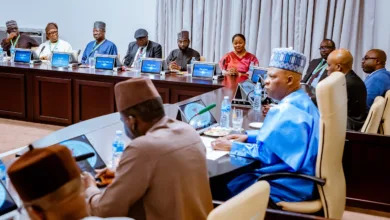
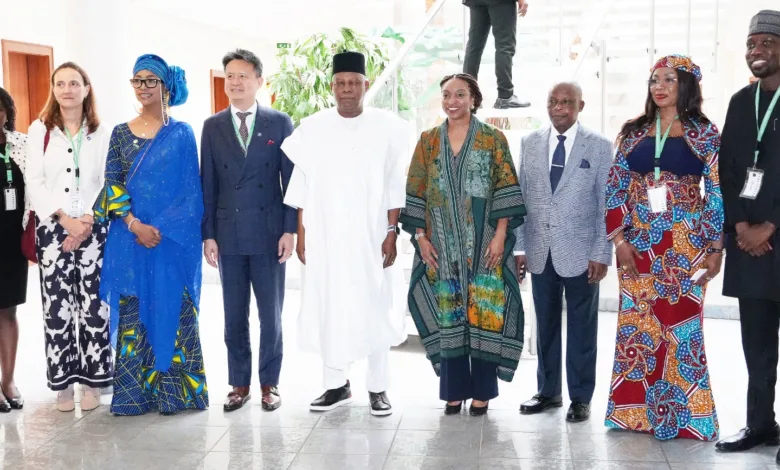
The agreement was reached during a high-level meeting at the Presidential Villa, Abuja, between Vice President Kashim Shettima and a delegation led by WIPO Director-General Daren Tang, alongside senior Nigerian government officials.
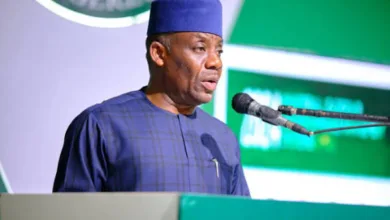
Vice President Shettima said the administration of President Bola Ahmed Tinubu is committed to building an economy where intellectual assets are protected and converted into wealth. He described Nigeria’s ambition as developing an IP system that serves inventors, entrepreneurs, artists, researchers, farmers, and technology innovators alike.
He also welcomed WIPO’s decision to establish its first Sub-Saharan Africa office in Abuja, describing it as a major milestone for the region. According to him, the Federal Executive Council had already approved the National Intellectual Property Policy and Strategy (NIPPS) in November 2025 to provide a structured framework for the protection, development, and commercialisation of intellectual property in Nigeria.




Shettima further stressed that the Tinubu administration’s Renewed Hope Agenda prioritises innovation, productivity, job creation, and investment attraction, noting that future global economic leadership will depend on the ability of countries to generate and scale ideas. He directed relevant ministries to develop a roadmap for deeper engagement with WIPO.
In his remarks, WIPO Director-General Daren Tang said the establishment of the Abuja office—the first in Sub-Saharan Africa and one of only seven globally—reflects the importance of Nigeria in the global intellectual property ecosystem. He added that Nigerian innovators and startups are already playing a significant role in shaping the IP landscape, with over 3,000 startups and several unicorns attracting global investment.
Attorney General of the Federation, Lateef Fagbemi (SAN), and other cabinet members also highlighted the importance of strengthening Nigeria’s legal and institutional frameworks to support innovation, technology transfer, and investment growth. The Minister of Art, Culture, Tourism and the Creative Economy, Hannatu Musawa, and the Minister of Industry, Trade and Investment, Jumoke Oduwole, reaffirmed government commitment to expanding jobs and strengthening the creative and innovation sectors.